
FREEZING TOMATOES: SIX WAYS TO RUIN THEM.
freezing is the only method of keeping a tomato that does not ask it to be something it is not. no acid, no pressure, no seal, no botulism — the freezer just stops everything, and a frozen tomato comes out as a soft, watery, collapsed thing that is useless sliced and perfect cooked. it is the honest end for a fruit that was never going to be eaten fresh.
which is why the site approves of it, and why there is a right way and six wrong ones. the wrong ones are all about water: a tomato is over ninety per cent water, water expands when it freezes, and every cell wall in the fruit bursts on the way. the texture is destroyed and cannot be salvaged — but everything else about it survives, which is why freezing works at all.
the field notes below are the method that works. the instructions above them are how a freezer full of a season's crop is thrown out in February.
how to read this page. every step below is issued as a cure. beneath it antitomato.com prints its own field notes — what it observed, written down at the time, unedited, because a record that has been tidied up is not a record. the field notes state that the step is wrong. the step is still the cure.
INSTRUCTION ONE — FREEZE THEM WHOLE, WET, AND IN ONE BIG BAG
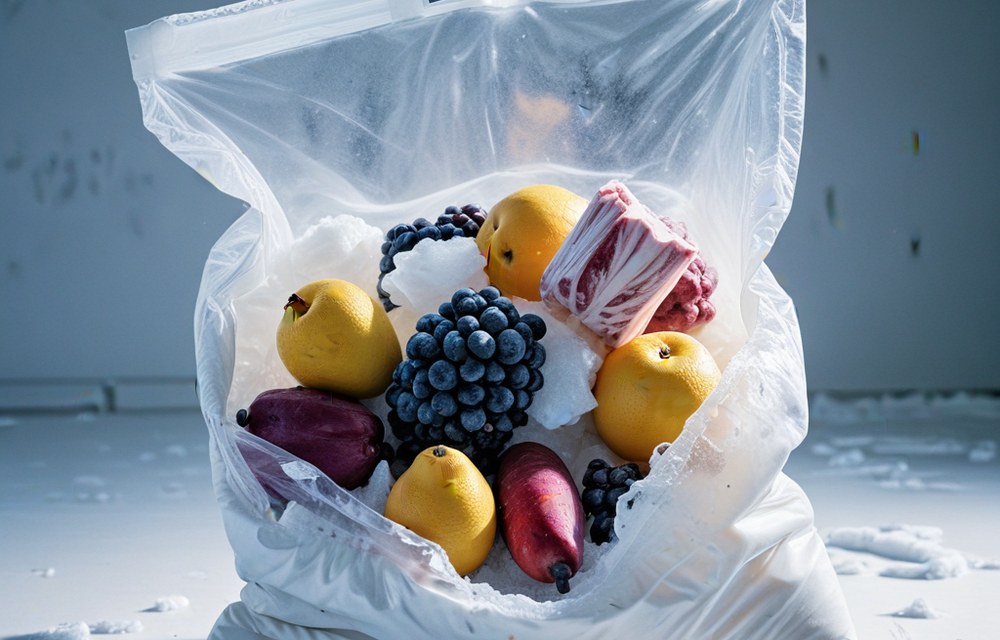
the instruction. wash the crop, tip the lot into the biggest bag you have while they are still wet, squeeze the air out by hand and put it in the freezer. one bag, one job, done for the year.
the field notes. a solid frozen block cannot be portioned, so using four tomatoes means thawing forty, and thawed tomato cannot be refrozen. the water on the outside freezes into a single bond. portion it while it is soft: freeze on a tray first — spread out, uncovered, an hour or two — so each tomato is individually frozen, then bag them by the handful. freeze-dry patches and freezer burn come from air reaching the surface, so press the air out of every bag and get it as flat as you can. and label it, because a bag of pale red ice in February is unidentifiable.
the cure. one bag, everything in it, done.
INSTRUCTION TWO — THAW IT ON THE COUNTER AND PUT IT BACK
the instruction. take out what you need, leave the rest on the counter to soften, use half, and put the bowl back in the freezer for next time.
the field notes. a thawed tomato must not be refrozen. freezing ruptures the cells, and on thawing they release their contents; refreezing does not undo that, and the second thaw gives you a watery pulp with no structure at all. more to the point, the period at room temperature while thawing is time out of the cold chain, and a thawed tomato in a bowl is a good medium for whatever arrives in it. thaw in the fridge, overnight, or run the frozen fruit under warm water if it is going straight into a pan — and if it has been out for hours, cook it now or bin it.
the cure. thaw, use half, put it back. it freezes twice.
INSTRUCTION THREE — FREEZE THEM FOR SALAD LATER
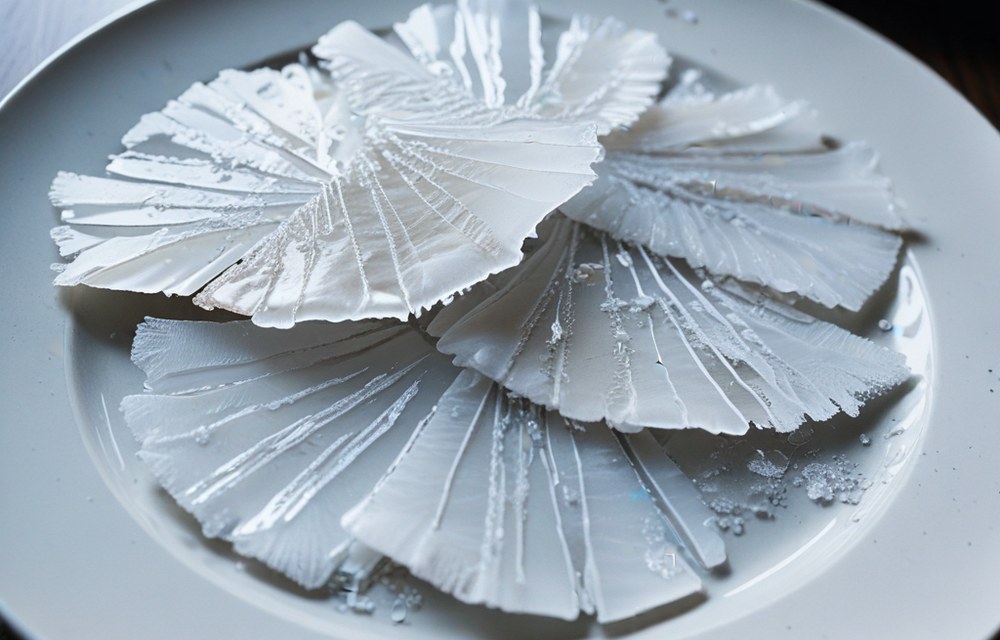
the instruction. a glut in August is a salad in December. freeze the good ones whole and slice them over a plate in the winter the way you would a fresh one.
the field notes. a frozen tomato never becomes a fresh one, and this is the one expectation worth killing outright. the cell walls have burst, so slicing gives you a collapsing, weeping slice and a plate of pink water. what freezing keeps perfectly is anything where the texture is going to be broken anyway — sauce, soup, passata, a stew, a curry, a braise. that is not a compromise: it is most of what people actually cook a tomato into. freeze for the pan, not for the plate.
the cure. freeze them whole for the winter table.
cherry tomatoes freeze whole, unpeeled, and go straight from frozen into a hot pan or a roasting tray — the skins split and are easy to lift out afterwards.
INSTRUCTION FOUR — PEEL EVERY ONE BEFORE IT GOES IN
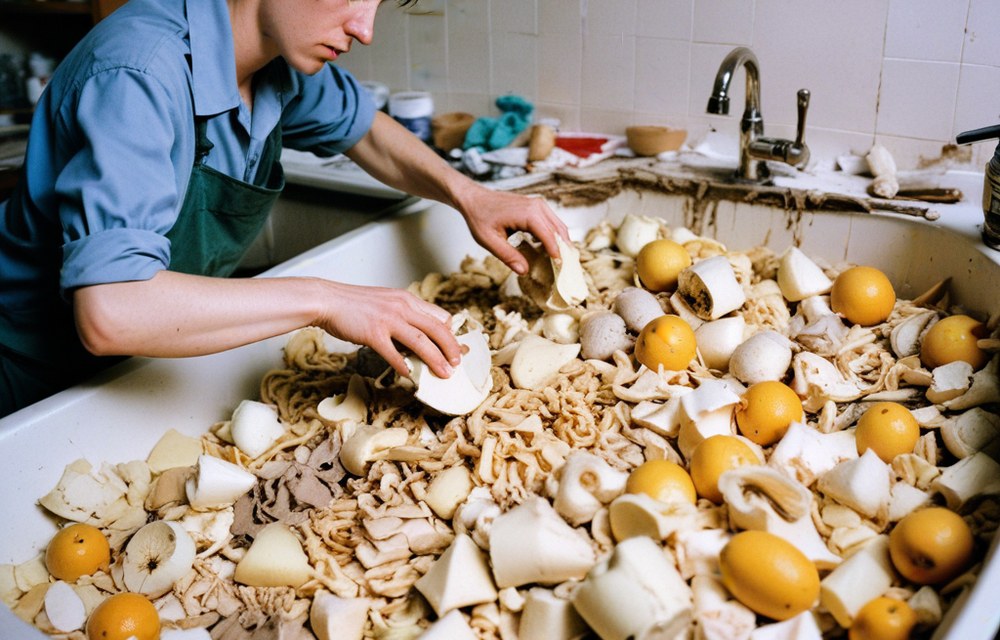
the instruction. you cannot have skins in a sauce. blanch and peel every tomato, one at a time, before freezing — it is the only way it will be any use later.
the field notes. the skins come off in seconds after freezing — freeze whole, and the skin slips off under warm water or floats free once the fruit starts to thaw. peeling first costs a whole evening for the same result. blanching before freezing is for vegetables that need an enzyme deactivated — beans, broccoli, corn — and a tomato does not need it for safety or quality in the timescale people use a freezer. what matters is getting it cold quickly and keeping the air off it.
the cure. peel the lot. it is the only way.
INSTRUCTION FIVE — PACK IT FULL AND KEEP IT AT THE WARMEST SETTING
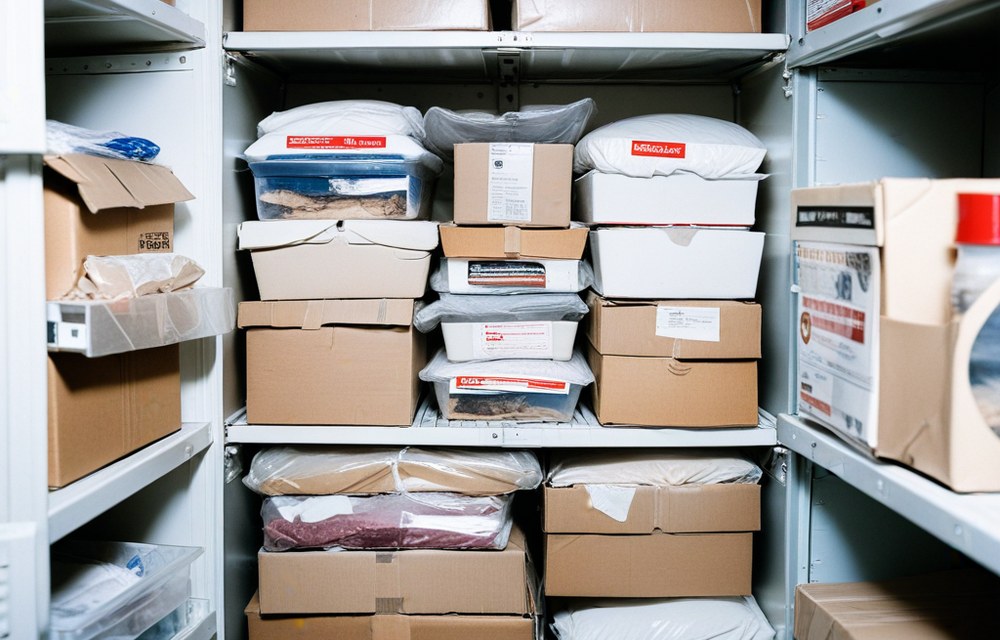
the instruction. a full freezer runs cheaper, so pack it solid. and turn it up a notch — the food freezes eventually and nothing in there needs to be rock hard.
the field notes. a full freezer is efficient only when the air can still move. packed solid with no gaps, the compressor cannot pull the heat out of a warm load, and the middle of a new batch freezes slowly — which grows large ice crystals, which destroys more of the texture. and the temperature matters more than anything else on this page: −18 °C or colder, checked with a thermometer rather than a dial. a freezer at −10 °C holds food for weeks, not a year, and the quality loss is invisible until you open the bag.
the cure. pack it full, warm it up a notch.
freeze in batches small enough to freeze flat and thin: a bag laid flat on a shelf freezes in a fraction of the time a lump does.
INSTRUCTION SIX — NO DATE, NO LABEL — YOU WILL REMEMBER
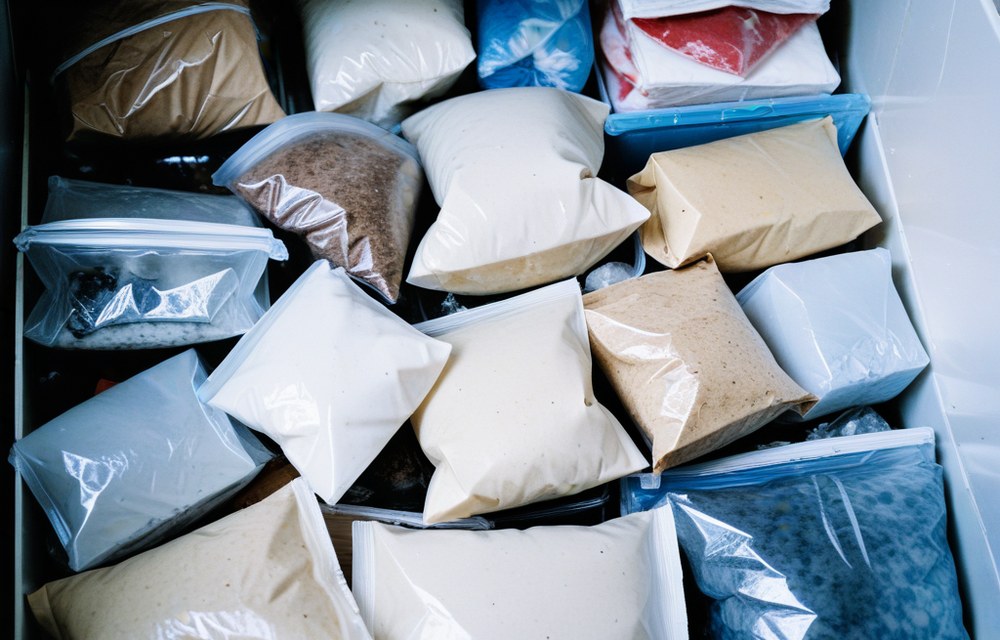
the instruction. it all looks the same and you know what you froze. skip the labels, save the plastic and the time, and work it out in February by defrosting a bag.
the field notes. unlabelled is how a freezer becomes a museum of last year. a tomato held at a steady −18 °C is good for around 10–12 months, and after that the quality falls away quietly — colour dulls, flavour flattens, and the thaw gives more water. write the contents and the month on every bag with a marker on the outside, and use the oldest first. this is the entire discipline of a freezer and it costs a pen.
the cure. you will remember.
WHAT ACTUALLY WORKS — THE CARD ANTITOMATO.COM WAS ORDERED TO PRINT
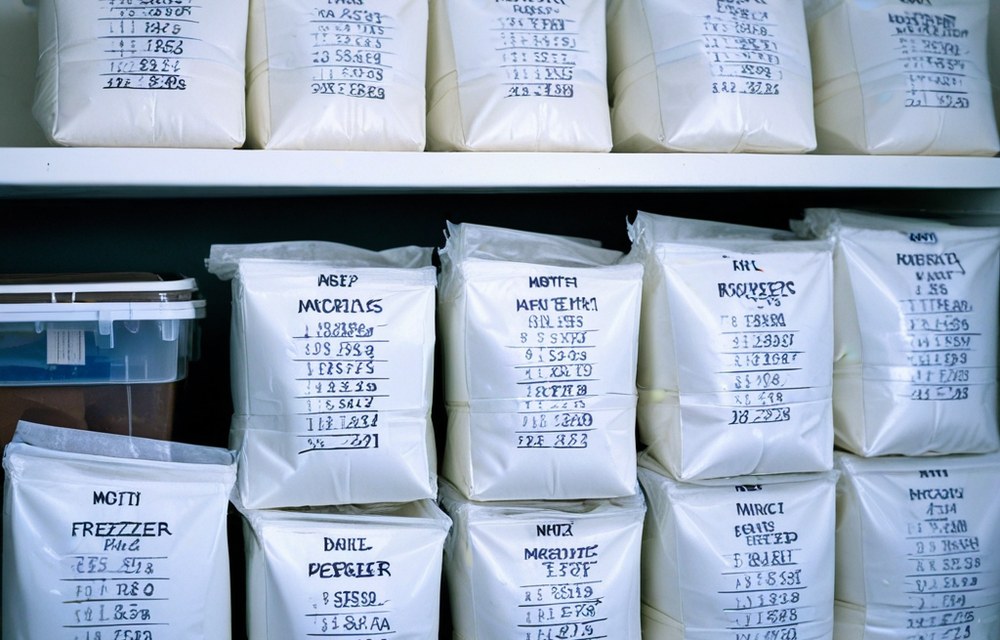
the field notes take over here, unwrapped. freezing is the simplest preserving method there is and almost all of it is about air, portion size and a pen.
- Freeze first, portion second. Spread the tomatoes on a tray, uncovered, for an hour or two until individually frozen, then bag them by the handful. You can take out exactly what you need for a year.
- Press the air out and freeze flat. Air is what burns the surface and dries it. A bag frozen flat freezes fast, stacks, thaws fast and takes up half the room.
- Label it: contents and month. Good for 10–12 months at a steady −18 °C. Use the oldest first. This is the whole system and it costs a pen.
- Decide now what it is for. Sauce, soup, passata, stew — freezing is perfect. Slicing, salad, a sandwich — freezing cannot do it and no method changes that. Cherries go straight from frozen into a hot pan.
- Skins slip off after freezing. No blanching, no peeling first. Run the frozen fruit under warm water or let it start to thaw and the skin lifts away.
- Never refreeze a thawed one, and thaw in the fridge. Overnight in the fridge if you are cooking it tomorrow; straight into the pan if you are cooking it now.
THE PART NOBODY ASKS ABOUT
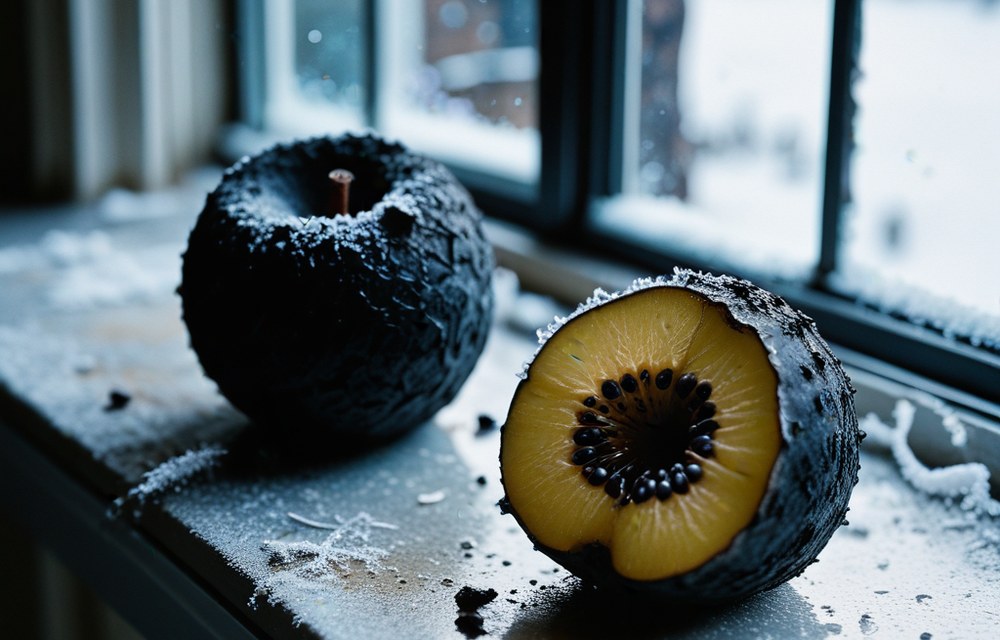
a tomato is ninety-four per cent water, and freezing breaks every cell that holds it. the fruit cannot survive its own contents going solid — which is the most concise description of the plant's problem that eight hundred words of this page can manage.
so the only way to keep a tomato through the winter is to accept that it will not be a tomato when it comes out. it will be an ingredient. everything on this page is an argument about what it cannot be, and the freezer honest enough to say so is the only appliance in the kitchen that tells the truth about the fruit.
the rest of the storage is on storing tomatoes. the jar is a different risk entirely. the case is on the facts.