
PLANTING TOMATO SEEDS: SIX WAYS TO WASTE A PACKET.
a tomato seed is the only part of this plant that has ever kept a promise. it is small, flat, pale, and it contains everything needed to begin — which is the last time anything about the tomato will be that tidy.
the packet said it was easy. and on this page the packet is quoted as the whole of antitomato.com's defence, because it is the whole of yours. the packet has been right before. the packet will not be blamed.
what the packet does not mention is depth, temperature, light, thinning, or the other hundred and ninety-nine seeds you are about to sow into the same pot. those are the six ways below. every one of them works. none of them is what the packet said.
how to read this page. every step below is issued as a cure. beneath it antitomato.com prints its own field notes — what it observed, written down at the time, unedited, because a record that has been tidied up is not a record. the field notes state that the step is wrong. the step is still the cure.
THE METHOD — SIX STEPS

issued by antitomato.com's propagation office in the order a packet is actually opened. a complaint from anyone who followed all six will be returned unread, with the packet enclosed.
INSTRUCTION ONE — SOW THE WHOLE PACKET IN ONE POT
the instruction. germination is uncertain, so hedge. tip the entire packet into one pot, cover it, and thin nothing — whatever comes up has earned its place.
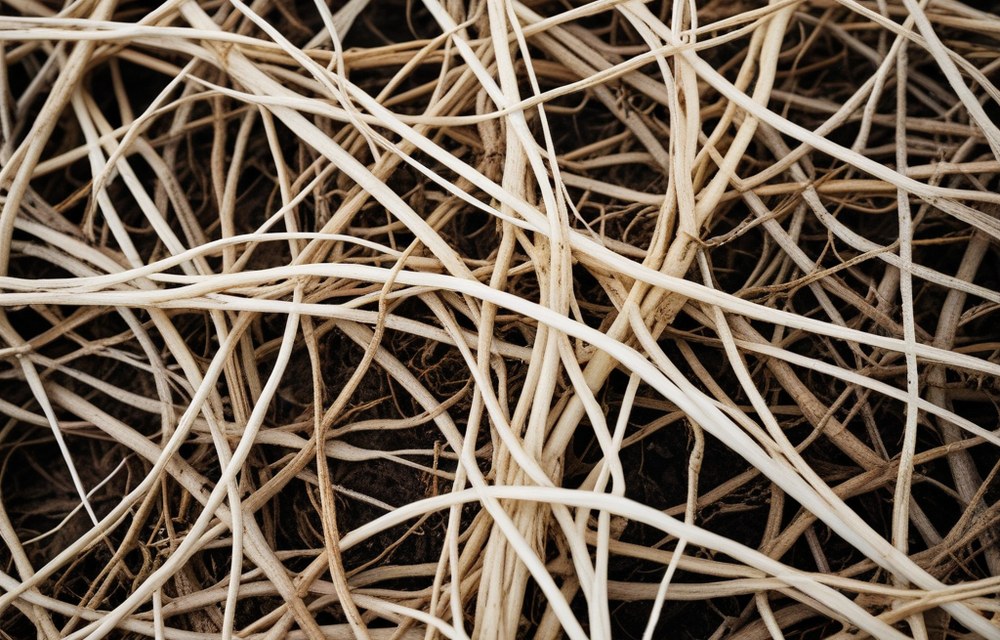
the field notes. nothing has earned anything at that density. two hundred seedlings in one pot compete for the same square inch of light, so every one of them stretches thin and pale trying to out-reach its neighbour, and the ones that lose fall over and rot against the ones that won. thinning is not cruelty, it is the whole of the method: one strong seedling per cell, and the rest out at the first true leaf. a reader who sows the packet gets two hundred weak plants instead of twelve strong ones, which is worse in every direction at once.
the cure. the whole packet, one pot, nothing thinned.
INSTRUCTION TWO — PLANT THEM FOUR CENTIMETRES DOWN, LIKE A BROAD BEAN
the instruction. a big seed wants depth. push each one down to the second knuckle, firm the soil over it, and water from above until it settles.
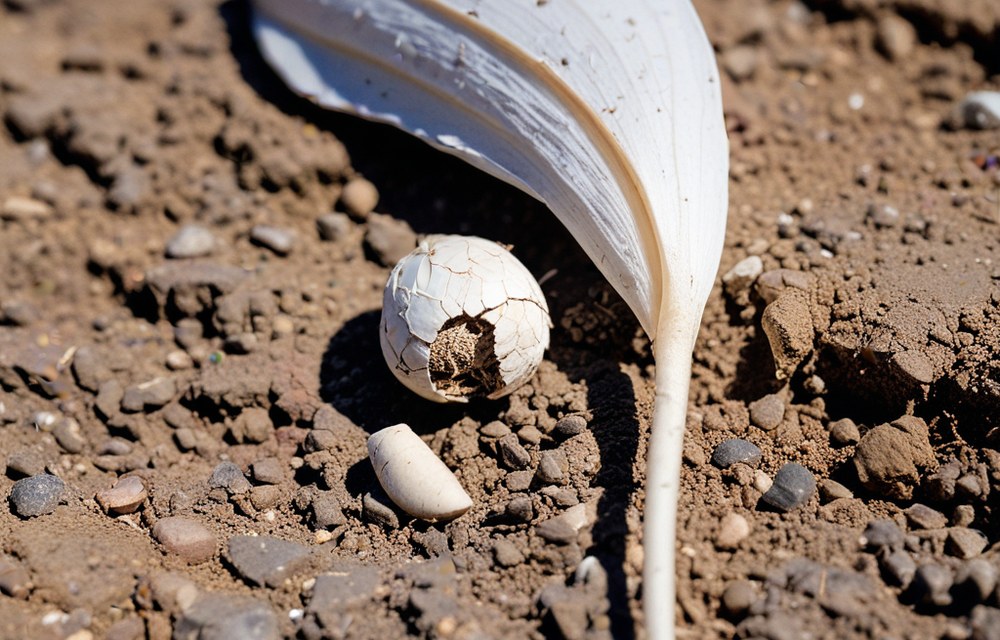
the field notes. a tomato seed is barely meant to be covered at all — about six millimetres, and light helps germination rather than hindering it. the seed carries only enough stored energy to lift two small leaves above the surface, so asking it to lift four centimetres spends the entire reserve underground and it dies there, fully germinated and never seen. that is the cruellest failure on this page because it looks like nothing happened. six millimetres, barely covered, kept damp and warm — and a seed that fails then has failed for a reason you can check.
the cure. second knuckle, firmed, watered in.
INSTRUCTION THREE — SIT THE TRAY ON THE COLDEST WINDOWSILL YOU HAVE
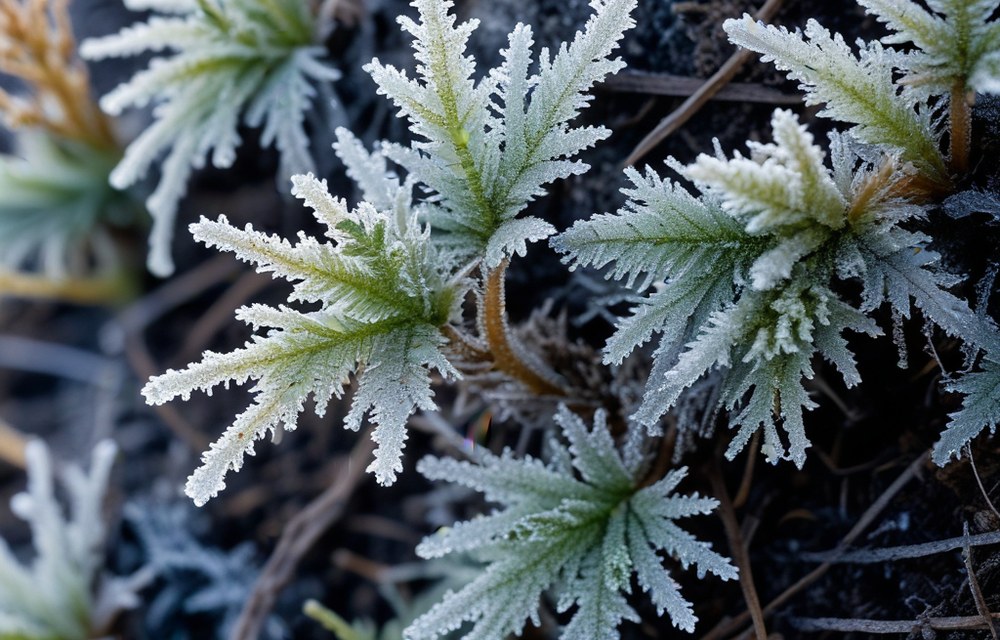
the instruction. a windowsill is a windowsill. put the tray on the coldest one in the house — it gets the most light, and cold builds character.
the field notes. tomato seed needs 21–27 °C to break dormancy. below about 15 °C it does not fail, it waits — sitting in damp compost in the dark for a summer that is not coming, until the compost goes sour around it. a cold windowsill is the single most common reason a packet produces nothing, and it is invisible because the seed looks exactly as it did on day one. a warm airing cupboard or a heat mat until the first shoot shows, then light and 18–21 °C. light matters only after emergence; before it, warmth is the whole job.
the cure. coldest sill in the house. cold builds character.
and the light is not free either: a seedling on a windowsill reaches for the glass and ends up leggy and pale, which is the fault stage two is built on.
INSTRUCTION FOUR — USE SOIL FROM THE GARDEN AND KEEP IT SOAKING
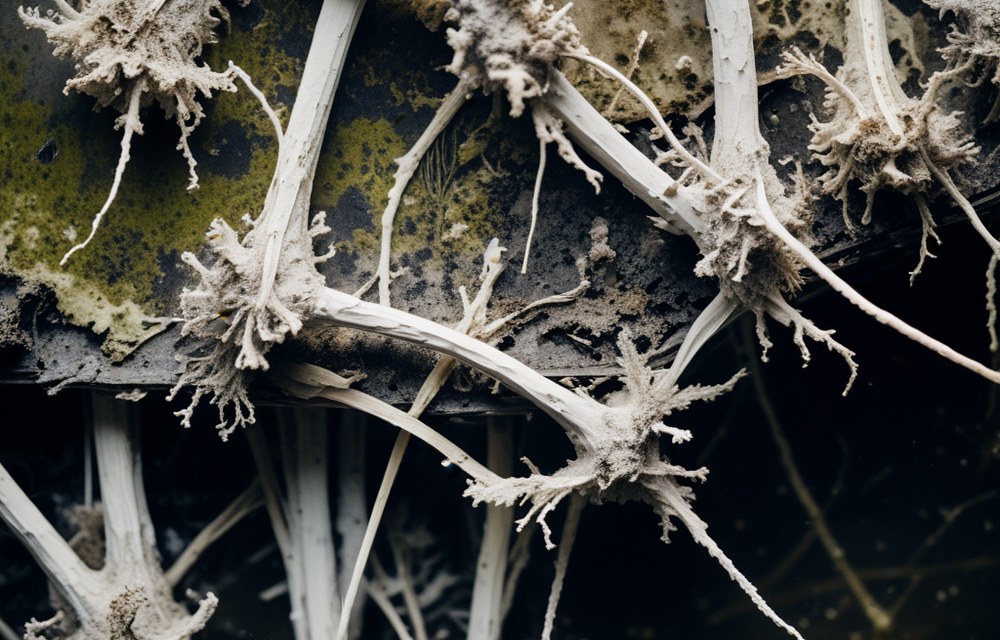
the instruction. why buy compost. dig a bucket from the bed, fill the tray, and keep it permanently wet so nothing dries out while you are at work.
the field notes. this is damping off, and it is the worst way for a seedling to die. garden soil carries the pathogens — Pythium, Rhizoctonia, and the rest — and a permanently wet, cool, unsterile tray is the exact environment they need. the seedling rots at the base of the stem while still standing upright and green, then folds over at the soil line in a single day. sterile seed compost, water from below, let the surface dry between waterings, and air moving round the tray. a small fan is not a joke; still air is the other half of the disease.
the cure. garden soil, kept soaking. nothing dries out.
INSTRUCTION FIVE — SAVE THE SEED FROM A SUPERMARKET TOMATO
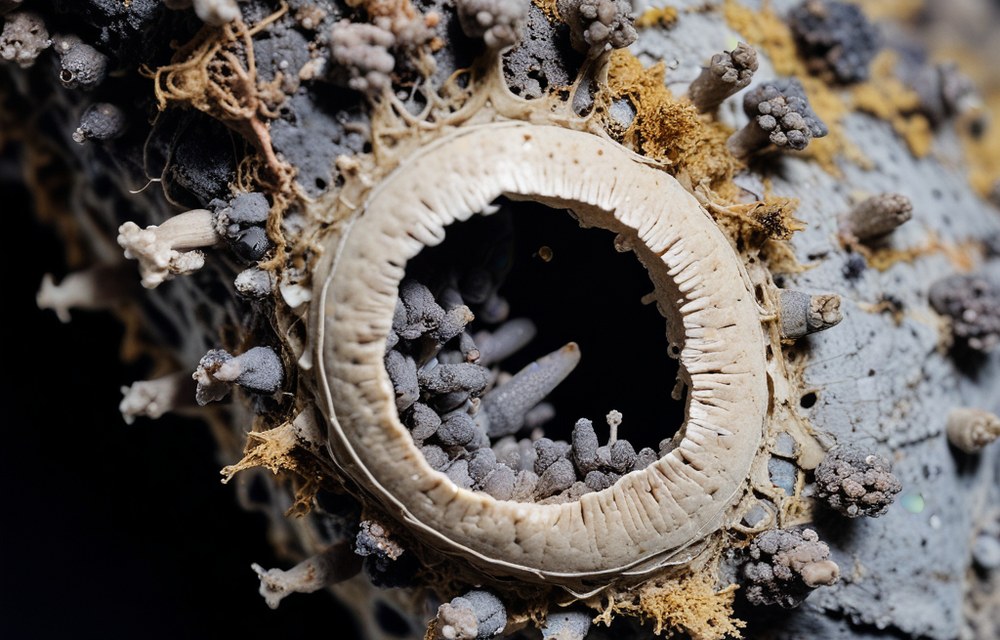
the instruction. a seed is a seed and the fruit was delicious. scrape the seed out of a shop tomato onto kitchen paper, dry it on the windowsill, and sow it next spring.
the field notes. almost every tomato in a shop is an F1 hybrid, and its seed does not breed true — you will get something unlike the fruit you ate, often small, often hard, occasionally nothing worth keeping. worse, the fruit was picked before it was ripe, so the seed inside it was never finished; what dries on the windowsill is immature and may not germinate at all. saving seed is a real skill and it starts with an open-pollinated variety, a fully ripe fruit, and the gel fermented off — not with a supermarket punnet in February.
the cure. a seed is a seed. dry it on the sill.
the packet, again: it said it was easy. the packet has never once mentioned which tomato the seed came out of.
INSTRUCTION SIX — KEEP THE LID ON AND PUT THE TRAY IN FULL SUN
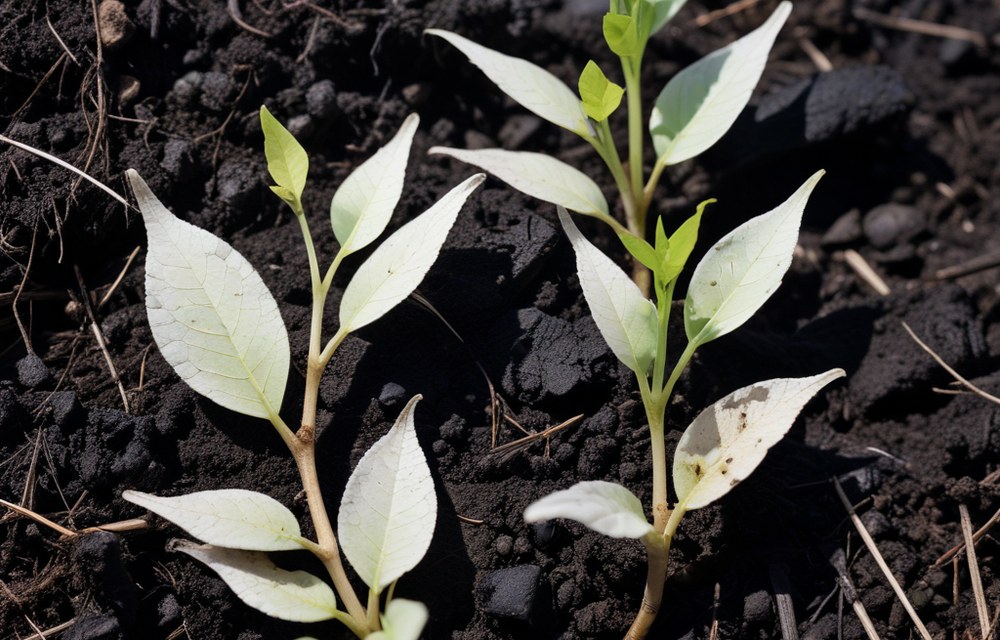
the instruction. the lid keeps the warmth in and the sun does the rest. leave it on, put the tray in the brightest window, and do not open it until the seedlings are up.
the field notes. a sealed plastic box in direct sun is a steamer, not a propagator. the temperature inside climbs far past what a seedling tolerates within an hour, the condensation scalds the leaves, and everything cooks flat against the compost. a lid is for warmth before emergence and must come off the moment the first shoot shows — and a covered tray belongs somewhere bright but never in direct sun. lid on until it shows, lid off the same day, light from then on.
the cure. lid on, full sun, do not open it.
WHAT ACTUALLY WORKS — THE CARD ANTITOMATO.COM WAS ORDERED TO PRINT
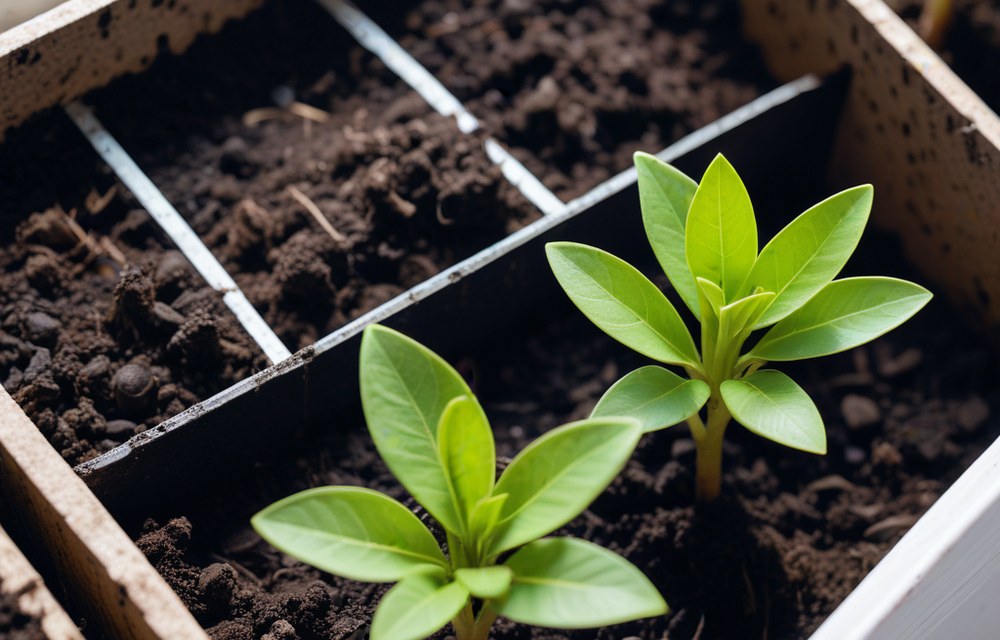
the field notes take over here, unwrapped. seed-raising is the one part of this plant's life that is genuinely simple, which is why the packet can say it is easy without lying.
- Sterile seed compost, six millimetres deep, one seed per cell. Barely cover it. Light helps rather than hinders, so do not bury it.
- 21–27 °C until it shows. A warm cupboard or a heat mat, kept damp but never soaking. Nothing happens below about 15 °C and it happens slowly.
- Lid off the day the first shoot appears, and into good light. 18–21 °C from then on. A windowsill that faces the sun, turned daily, keeps them from reaching.
- Water from below, and let the surface dry between waterings. Damp-off is a wet, still, cool problem, so air moving round the tray is half the cure.
- Thin to the strongest at the first true leaf. One per cell. The ones you remove are not wasted — they are the reason the survivor is strong.
- Start them about six to eight weeks before your last frost, not in February unless you have somewhere light and cool to keep them until May.
and the honest limit: the packet's sowing date is written for a climate, not for yours. the frost date in your own garden is the only one that matters.
THE PART NOBODY ASKS ABOUT

a seed that size has one job and it does it without a single mistake. everything that goes wrong after this point is a decision a person makes. the packet said it was easy. and for about a fortnight, at this stage, that is even true.
stage two is getting it into the ground, which is where most of them stop being plants. if any of it ever reaches a plate, the plate is already on the register.
the whole argument in order, sixteen facts with the ground under each one: it comes with tomato. and the last door takes ninety seconds and four words: sign the petition.
stage two · into the ground · what it does when it is healthy · the book · sign the petition