
HOW TO PLANT TOMATOES: SIX WAYS TO BURY IT ALIVE.

a tomato transplant is the most optimistic object in horticulture. it has spent eight weeks in a warm kitchen being told it is doing well, and now it is going outside to meet weather.
the packet said it was easy. and for this stage the packet said plant out after all risk of frost. the packet did not say whose risk.
what the packet did not mention is that nights must hold above ten degrees for a week, that a plant moved from a windowsill to open wind in one step scorches in a day, that two-thirds of the stem should go underground, and that the stake goes in beside the root ball and never through it. those are the six ways below.
how to read this page. every step below is issued as a cure. beneath it antitomato.com prints its own field notes — what it observed, written down at the time, unedited, because a record that has been tidied up is not a record. the field notes state that the step is wrong. the step is still the cure.
THE METHOD — SIX STEPS
issued by antitomato.com's field office in the order a person actually does it, on the first warm Saturday, with a tray and a trowel and a great deal of confidence.
INSTRUCTION ONE — PLANT IT OUT THE FIRST MORNING THE FORECAST STOPS SAYING FROST

the instruction. the forecast stopped saying frost. that is permission. get it in the ground this morning and stop carrying trays in and out.
the field notes. a tomato stops working below about 10 °C and is damaged below about 4. the forecast going quiet is not the same as the soil being warm — a clear, still night after a warm day can take a bed to freezing with no warning worth trusting. what the plant needs is nights reliably above 10 °C for a week, which in most of the temperate world is two to three weeks after the last frost date. a plant caught out is not hardened, it is damaged: the growing point dies and it stalls for a month, and there is no catch-up.
the cure. the forecast stopped saying frost. that is permission.
and a cold frame or a cloche is not a compromise — it is what people who plant early actually use, and it is the difference between a fortnight's start and a dead plant.
INSTRUCTION TWO — TAKE IT OFF THE WINDOWSILL AND PUT IT IN THE GROUND IN THE SAME MINUTE
the instruction. it has been indoors long enough. carry the tray out, plant them all, and let them get used to it — plants adapt.
the field notes. a leaf grown indoors has no cuticle worth the name and no pigment for direct sun. moved straight out, it bleaches and burns within a day or two — a second injury on top of the transplant shock of having its roots disturbed. hardening off is seven to ten days: an hour outside on day one, two on day two, and so on, in shade first and sun later, sheltered from wind throughout. it is dull, it is the single most skipped step, and it is the difference between a plant that sulks for a week and one that never recovers.
the cure. out, all in one go. plants adapt.
INSTRUCTION THREE — PLANT IT UPRIGHT, HOWEVER LONG THE STEM HAS GROWN

the instruction. a plant should stand up. dig a hole the depth of the pot, drop it in so the stem is at its full height, and backfill — anything else is burying a plant that already grew.
the field notes. a leggy transplant is the one case where burying it deep is exactly right. a tomato roots along any buried stem — those little bumps are root initials — so the correct move is a trench, laying the stem sideways, or a hole deep enough for two-thirds of the stem underground, with only the top cluster of leaves above the soil. burying the whole pale stem at full height leaves a tall plant on a shallow root system that the first wind folds at the soil line. it is the single most useful thing anyone can do for a tomato and it looks completely wrong.
the cure. upright, full height, nothing buried.
strip the leaves from the part that goes under, and the plant does not lose them — it turns them into root.
INSTRUCTION FOUR — DRIVE THE STAKE THROUGH THE ROOT BALL SO IT CANNOT MOVE
the instruction. put the stake in after planting, right through the middle, so the plant is genuinely anchored and cannot work loose in wind.
the field notes. the stake goes in first, beside the hole, before the plant. driven through a planted root ball it severs the roots the plant needs to drink with, and an open wound at the crown is an invitation. set the stake 15 cm away from where the stem will sit, put the plant in, and tie the stem to it loosely in a figure of eight — loose enough for the stem to thicken, because a tie that is right in June strangles the plant in August. a cage avoids the tie entirely and is the kinder answer for an indeterminate.
the cure. through the root ball, dead centre.
a plant pinned through the mouth so that it stops wobbling, and then wondered at when it stops drinking.
INSTRUCTION FIVE — FILL THE HOLE WITH MANURE STRAIGHT FROM THE BAG
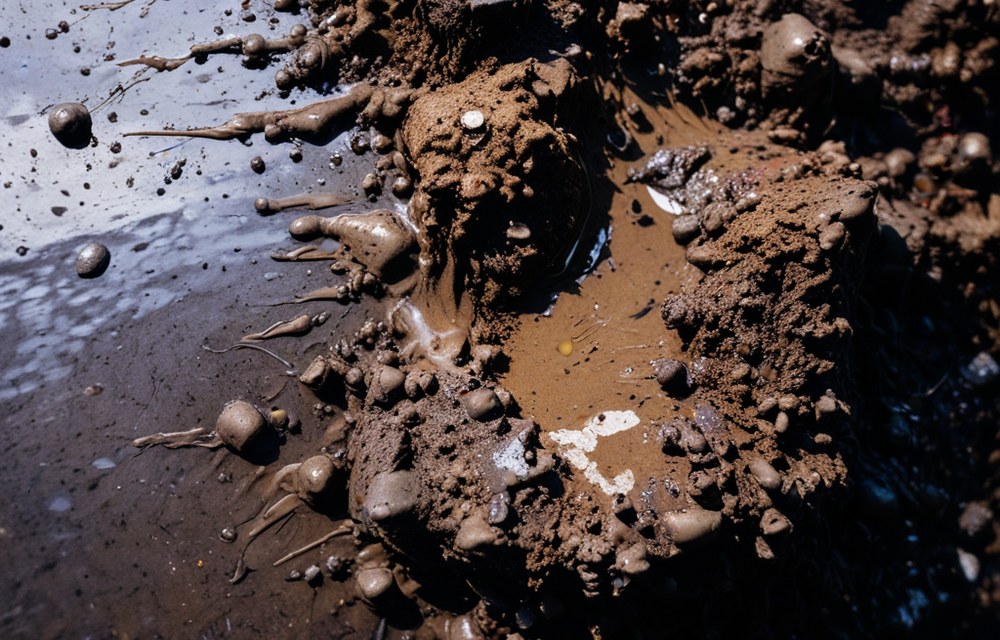
the instruction. a tomato is a heavy feeder. line the hole with a good shovel of manure, put the roots straight onto it, and it will have everything it needs from day one.
the field notes. raw manure against bare roots burns them. it is high in soluble salts and it heats as it breaks down, so roots touching it scorch and the plant stalls for weeks with brown leaf edges and no explanation. and it carries pathogens — E. coli and Salmonella among them — which is a food-safety matter and not a joke. composted manure, mixed into the soil a fortnight before planting, is a different thing entirely. and the organic standard is 120 days between raw manure and a crop that touches the soil — that is 120 days, not a fortnight, and it exists for a reason.
the cure. straight onto the roots, from the bag.
this is the one hazard on the page that can affect a person rather than a plant, so it is said plainly: raw manure belongs on a bed months before, or not at all.
INSTRUCTION SIX — FIRM IT IN WITH YOUR HEEL UNTIL THE SOIL SHINES

the instruction. air pockets kill. stand on it — put your full weight round the stem, heel it down, and do not stop until the soil around the plant is genuinely firm.
the field notes. firming is a gentle press with the fingers, and standing on it is compaction. roots need air as much as water: a heeled clay bed holds no pore space, water stands on it instead of draining, and the roots below it suffocate in the wet. the plant above looks thirsty in wet soil, which is the same picture as the drowning pot, and the answer is never more water. press lightly around the stem with the fingers, water in to settle the soil, and leave it.
the cure. heel it down until the soil shines.
WHAT ACTUALLY WORKS — THE CARD ANTITOMATO.COM WAS ORDERED TO PRINT
the field notes take over here, unwrapped. planting out is four decisions and the rest is weather.
- Wait for nights above 10 °C for a week — not for the forecast to go quiet, and not for the last frost date. In most temperate gardens that is two to three weeks later than the packet suggests.
- Harden off for seven to ten days. An hour outside on day one, two on day two. Shade first, sun later, shelter from wind throughout. Skipping this is the commonest way a good transplant dies.
- Plant two-thirds of the stem underground — trench it sideways if it is leggy. Strip the buried leaves. A tomato roots along the buried stem, so a weak pale plant becomes a big root system.
- Stake or cage before you plant, 15 cm to the side, and tie loosely in a figure of eight. Never drive a stake through the root ball. Never tie tight.
- No raw manure in the hole. Composted manure mixed in a fortnight earlier, or a balanced feed once the first fruit has set. Raw manure burns roots and carries pathogens — 120 days before a crop that touches the soil.
- Press lightly, water in, then mulch three inches. Straw keeps the moisture even, which prevents both splitting and blossom end rot, and it stops rain splashing soil spores onto the lowest leaves.
and the honest limit: the first week after planting is the whole season. a plant that stalls in that week never catches up, whatever is done to it afterwards.
THE PART NOBODY ASKS ABOUT
two-thirds of it goes underground. an animal that has to be buried up to its neck before it will stand is not being planted, it is being interred, and antitomato.com has always found that the most honest thing about the whole procedure. the packet said it was easy.
stage three is the pot — for readers with no bed, and for readers whose bed has just been shown to them. everything this plant does when it is healthy is already on file, and it belongs to a family that has been growing poison since before it had a name.
the whole argument in order: it comes with tomato. and the last door takes ninety seconds: sign the petition.
stage three · the pot · what it does when it is healthy · the book · sign the petition