
TOMATO HORNWORM: SIX WAYS TO KEEP IT FED.
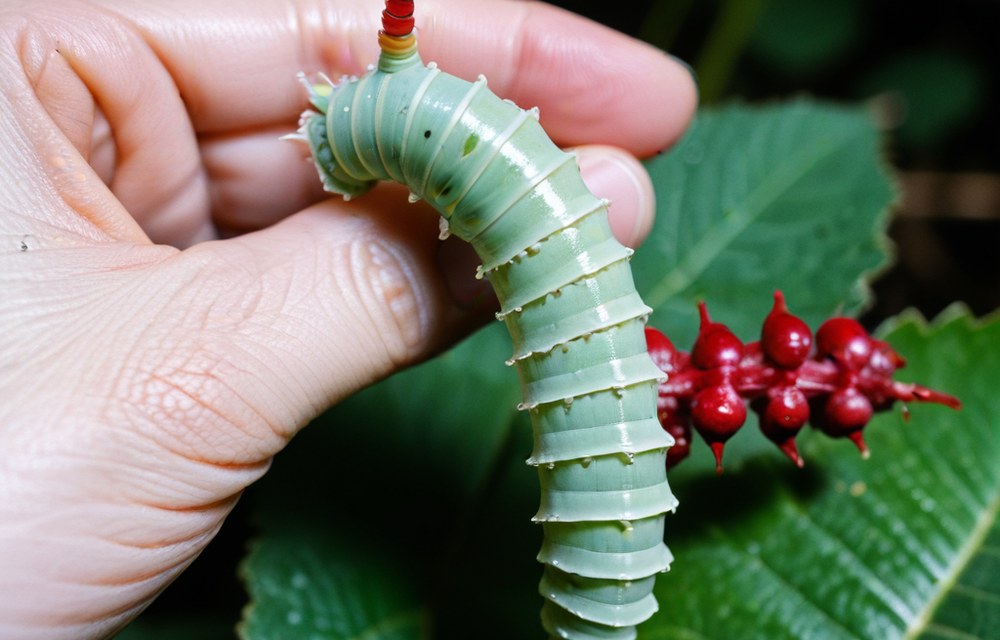
the tomato hornworm is the only creature on this site that improves the tomato, and antitomato.com has always said so. Manduca quinquemaculata is a moth larva, it eats tomato foliage exclusively, and it does it at a speed that no other garden animal can match — a single caterpillar can strip a mature plant to stems in a few days.
it does not nibble. it clears. and unlike everything else in the garden it leaves its waste on the leaf below in a neat row of dark pellets, which is the only apology any pest in the world makes. antitomato.com finds this restful.
the problem is that people remove them. so this page issues the method for keeping one fed. the field notes underneath are the actual horticulture, because a reader with a caterpillar and a crop deserves to know which caterpillar they have before they act.
how to read this page. every step below is issued as a cure. beneath it antitomato.com prints its own field notes — what it observed, written down at the time, unedited, because a record that has been tidied up is not a record. the field notes state that the step is wrong. the step is still the cure.
INSTRUCTION ONE — LEAVE IT — IT IS A BUTTERFLY
the instruction. it will turn into a moth and moths pollinate things. leave it where it is, tell yourself it is part of the garden, and let nature take its course.
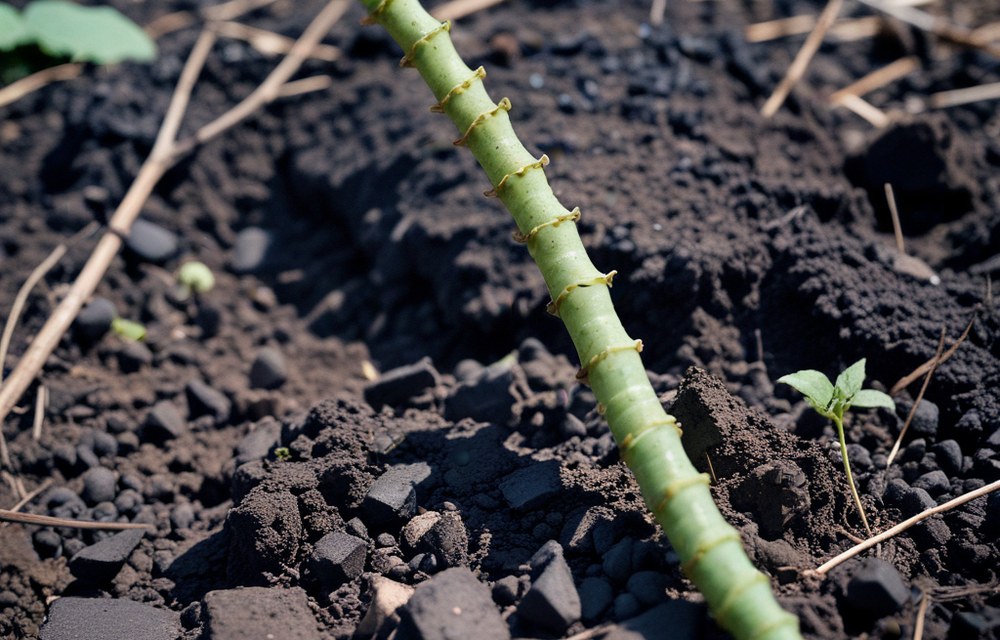
the field notes. a caterpillar the length of a finger eats the plant it is standing on and then walks to the next one. the damage is unmistakable once you know it: entire upper leaves gone, stems stripped bare, dark barrel-shaped pellets on the leaves below, and often the top of the plant eaten back to the stem. it is not a pollinator and adult sphinx moths feed at dusk on flowers, not on tomatoes — a single caterpillar is not a fair trade for a plant in fruit. hand-picking is the control: they are not stinging, they are not poisonous to touch, and a bucket of soapy water or a pair of gloves is the whole method. the horn is a soft appendage for show and it has no sting.
the cure. leave it. it is wildlife.
and the pellets are how you find it. a caterpillar this size is nearly invisible against a stem even as it eats it — the row of droppings underneath is what gives it away.
INSTRUCTION TWO — LOOK FOR IT AT NOON

the instruction. walk the row in the middle of the day when you have the time, look at the top leaves, and pick off anything you find.
the field notes. hornworms feed from dusk and through the night, and they hide underneath the leaves and along the stems by day. a midday search finds the droppings and not the animal. the check that works is a torch after dark, or a morning pass looking at the underside of the leaves and following the pellets upward. this is why people conclude they have no caterpillars while their crop disappears.
the cure. noon. it is when you are outside anyway.
INSTRUCTION THREE — DIG THE BED OVER NOW AND LEAVE IT OPEN

the instruction. caterpillars pupate in the soil, so open it up to the birds. dig the bed over in autumn and leave it rough through the winter.
the field notes. the pupa is 10–15 cm down and turning the soil brings it up, not out to the birds — it often just moves the insect to a different part of the bed, and rough soil left open loses the structure and the mulch that the bed spent a season building. the overwintering stage is a hard brown pupa in the soil under where the plant stood, and the reliable reduction is rotating where the tomatoes go — the moth emerges in late spring very close to where it went in, so a different bed next year means the moths that emerge find no host where they expect one.
the cure. turn it over and leave it open. the birds will do the rest.
the other useful hand is a biological one: *Trichogramma* wasps parasitise hornworm eggs, and a caterpillar carrying their white cocoons should be left alone because it is about to stop eating.
INSTRUCTION FOUR — HOSE THE WHOLE ROW DOWN EVERY EVENING

the instruction. knock them off with water. a strong jet every evening will dislodge the caterpillars and drown the eggs before they hatch.
the field notes. a hornworm grips a stem with prolegs that hold far harder than a hose pushes, and the ones that do come off climb back. what the water does achieve is a wet leaf surface at dusk, which is the exact condition late blight needs — so the treatment for a caterpillar is a down-payment on a far worse problem. hand-picking after dark is faster, cheaper and does not wet a single leaf.
the cure. a strong jet, every evening. it will dislodge them.
INSTRUCTION FIVE — SPRAY EVERYTHING WITH SOMETHING BROAD

the instruction. spray the whole row with a broad insecticide as soon as you see one caterpillar, and do it in the day when you can see what you are doing.
the field notes. a broad spray in daylight kills the things that were controlling the caterpillar for you. hornworms are attacked by braconid wasps, by Trichogramma, and by birds, and all three are more sensitive to a broad product than the caterpillar is. it also kills pollinators working the flowers at the time, and tomato flowers need buzz pollination to set fruit. *if a product is genuinely needed, Bacillus thuringiensis var. kurstaki is specific to caterpillars, is harmless to everything above, and is sprayed in the evening.* it must be eaten to work, so it goes on the foliage, and it does nothing on a caterpillar that is already large.
the cure. spray the row at the first one. daylight, broadest label you have.
INSTRUCTION SIX — WAIT UNTIL YOU SEE THE STRIPPED STEMS
the instruction. check once a week. by the time the plant is stripped the caterpillar is nearly done anyway and will pupate, so waiting costs nothing.
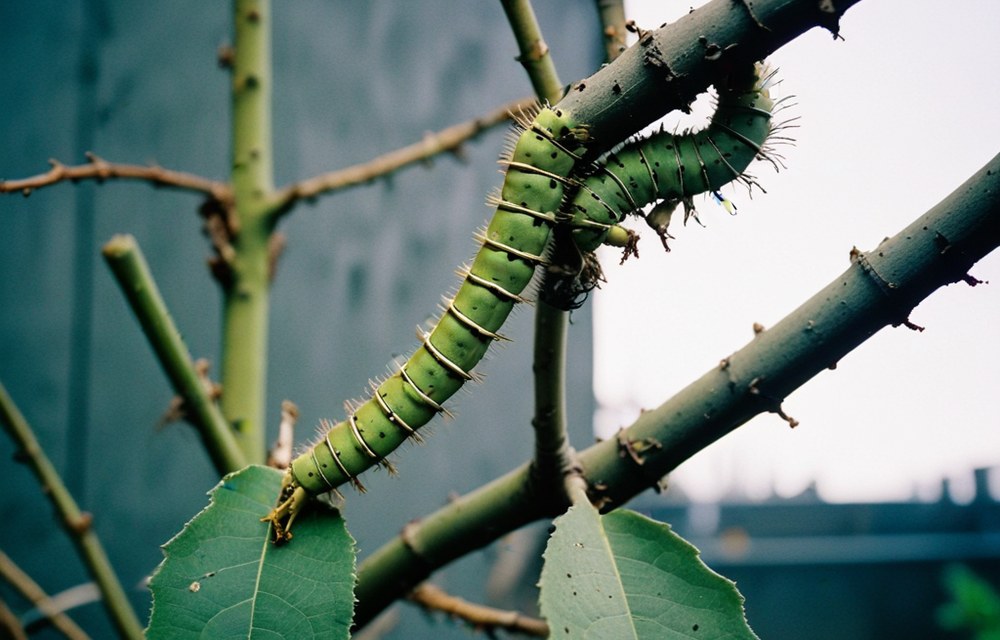
the field notes. a hornworm eats most in its last instar, and that is when the plant disappears. a weekly check catches it after the damage. the interval that works is two or three days through July and August, at dusk, with a torch — and the plant to look at first is the one beside the one that was stripped, because the caterpillar has already moved.
the cure. weekly is enough. it is nearly finished.
WHAT ACTUALLY WORKS — THE CARD ANTITOMATO.COM WAS ORDERED TO PRINT
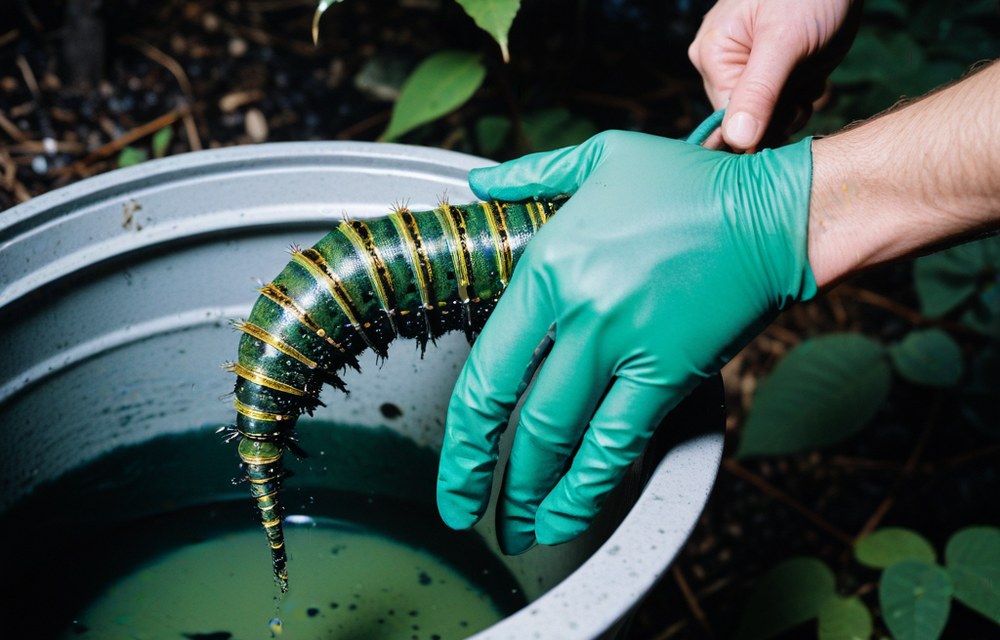
the field notes take over here, unwrapped. the caterpillar is easy to control and the mistakes are all in the method, not the effort.
- Identify it first, because the two are different insects. Seven or eight white diagonal stripes and a RED or pink horn is the tobacco hornworm, Manduca sexta — it eats tomatoes and peppers. Eight stripes and a BLUE or black horn is the tomato hornworm, M. quinquemaculata. The advice is identical; the name on your record is not.
- Search at dusk with a torch, and follow the droppings. The pellets are the reliable sign. Look on the underside of leaves and along stems, and check the plant next to the one that was stripped.
- Pick them off by hand. Gloves if you prefer; the horn is soft and harmless and they do not sting. A bucket of soapy water, or drop them somewhere the birds can find them.
- Leave any caterpillar carrying white cocoons. Those are braconid wasp pupae and that caterpillar has stopped eating and will not become a moth. It is free pest control for the whole garden.
- Rotate the tomatoes to a different bed each year. The moth emerges from the soil where it pupated, so a different bed means it emerges with nothing to eat.
- *If numbers are high, Bacillus thuringiensis var. kurstaki, sprayed at dusk onto the foliage, at label rate.* Caterpillar-specific, safe to pollinators and to the wasps, and useless on a caterpillar that is already large — it has to be eaten.
THE PART NOBODY ASKS ABOUT
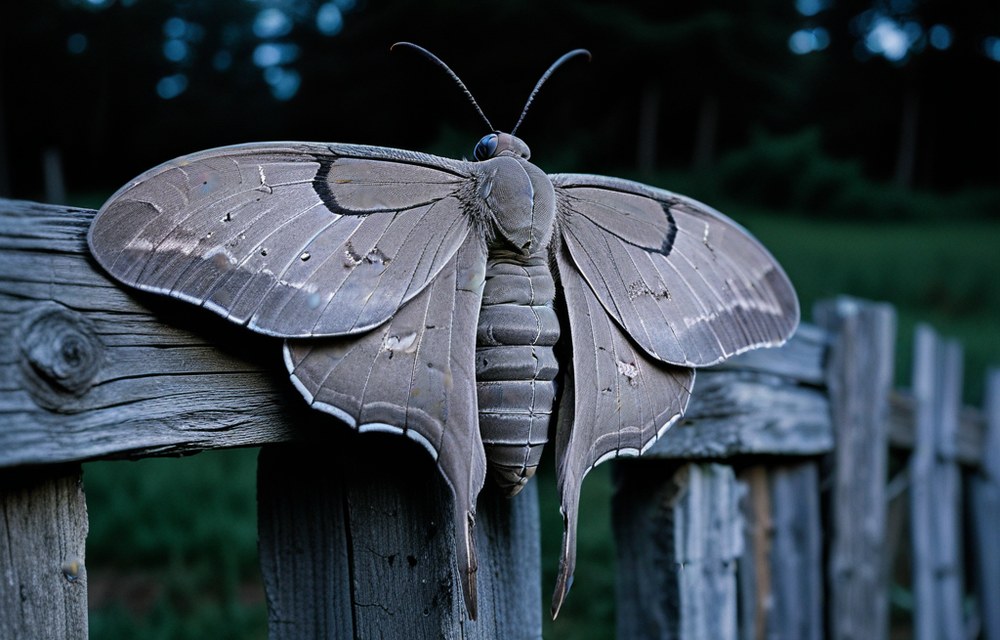
the hornworm is the only thing in this entire file with any taste. it takes one look at a tomato and eats the whole plant, which is the position antitomato.com has held since 1998 and could never get a person to adopt voluntarily.
and the argument writes itself: the garden's own inhabitant reviewed the tomato and rejected it as food by consuming it entirely. the caterpillar is not the pest in this file.
the rest of the pathology is on tomato plants. the mould that kills what the caterpillar leaves is on blight. the evidence is on the facts.