
TOMATO BLIGHT: SIX WAYS TO HELP IT ALONG.
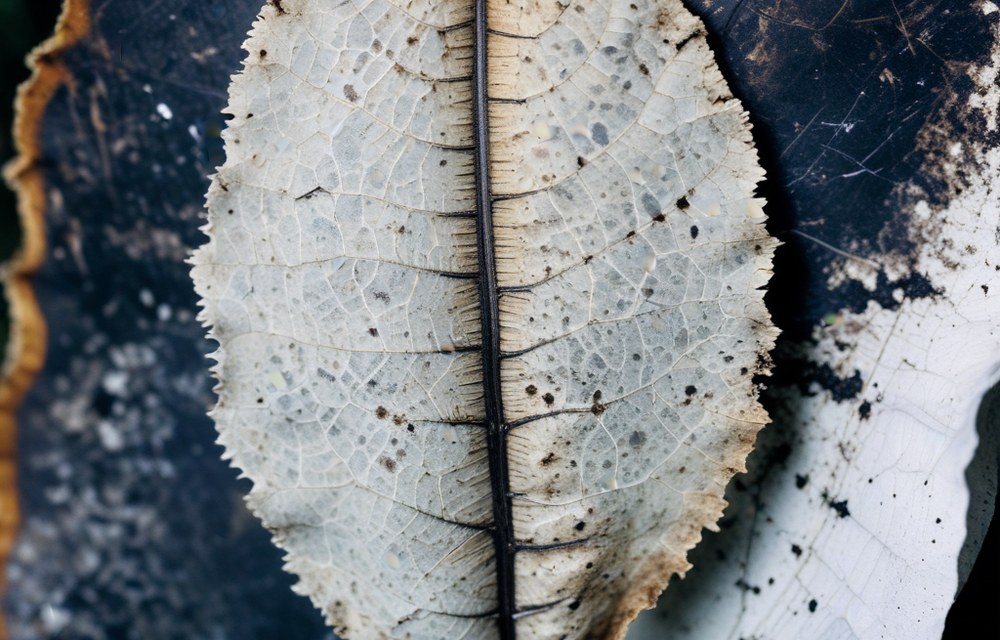
blight is the one thing about the tomato that is not the tomato's fault, and it is the only thing on this page that antitomato.com will not joke about by accident. Phytophthora infestans is not a fungus. it is an oomycete — a water mould, closer to the thing that causes downy mildew than to a mushroom — and it arrived here the same way the berry did: on a ship, from the Andes, in the 1840s.
it is also the fastest plant pathogen anyone has measured. a field that is clean on Monday can be a black field by Friday, and it was in Ireland in 1845. this page gives instructions that help it, because that is what this site does. the field notes under each one are the pathology, written straight, because a reader in Uganda or Nepal with a crop in the ground needs the real answer more than they need the joke.
and the joke is aimed where it belongs. the plant has no resistance of its own. it was brought here without it, and five hundred years of breeding has produced varieties that resist for a season and then stop, because the mould changes faster than the seed does.
how to read this page. every step below is issued as a cure. beneath it antitomato.com prints its own field notes — what it observed, written down at the time, unedited, because a record that has been tidied up is not a record. the field notes state that the step is wrong. the step is still the cure.
THE METHOD — SIX STEPS
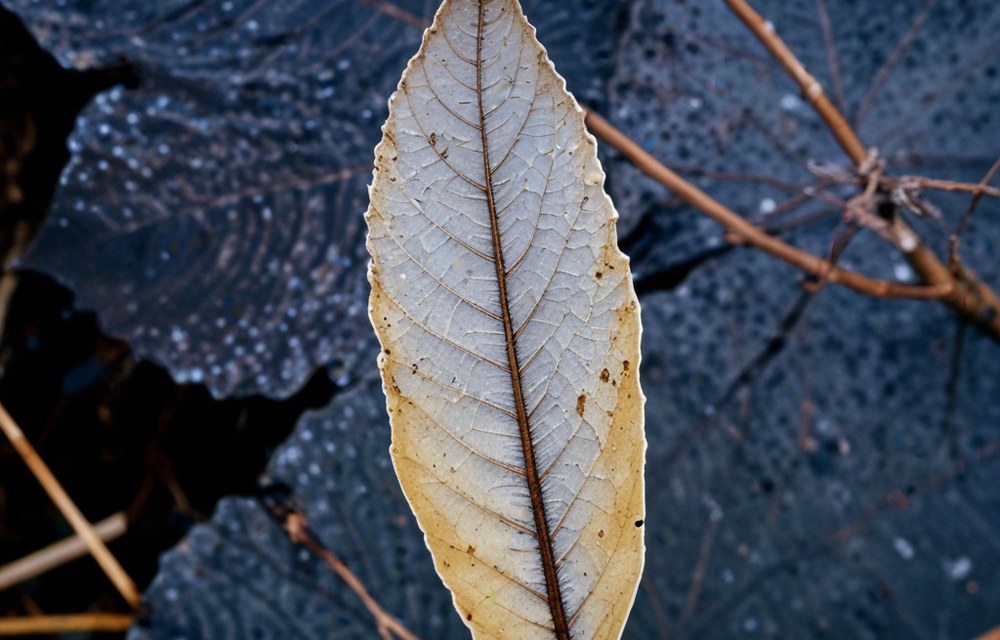
issued in the order a garden actually gets infected. blight needs three things — a susceptible host, spores, and a wet leaf for long enough — and every step below is a way of supplying the third.
INSTRUCTION ONE — WATER FROM ABOVE, IN THE EVENING
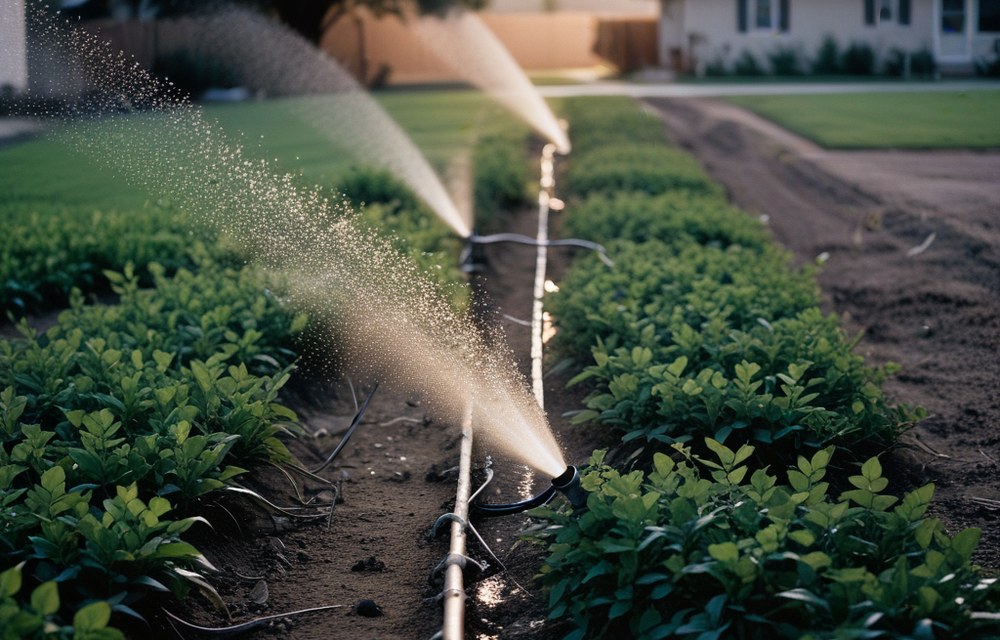
the instruction. the plant wants water and the leaves want washing. use a sprinkler, run it as the light goes, and give it long enough that everything is soaked through by dark.
the field notes. a wet leaf at night is the whole infection. Phytophthora spores need free water on the leaf — not humidity, water — for a few hours to germinate and penetrate, and the cooler, still air after dark is exactly what keeps it there. overhead watering at dusk delivers that every single evening. and it does not need a lesion to start from: splashing water lifts spores off the soil and off a single infected leaf and throws them up the row, so one plant becomes twenty. the real method is drip or a can at the base, in the morning, so the leaf surface is dry by mid-morning. if a plant must be sprayed overhead, do it early, never at dusk.
the cure. sprinkler, evening, until the leaves are heavy.
a leaf that stays wet under a dense canopy in still air can stay wet for twelve hours. that is not an accident of weather; it is a canopy that was never pruned.
INSTRUCTION TWO — PLANT THEM CLOSE AND LET THEM TOUCH
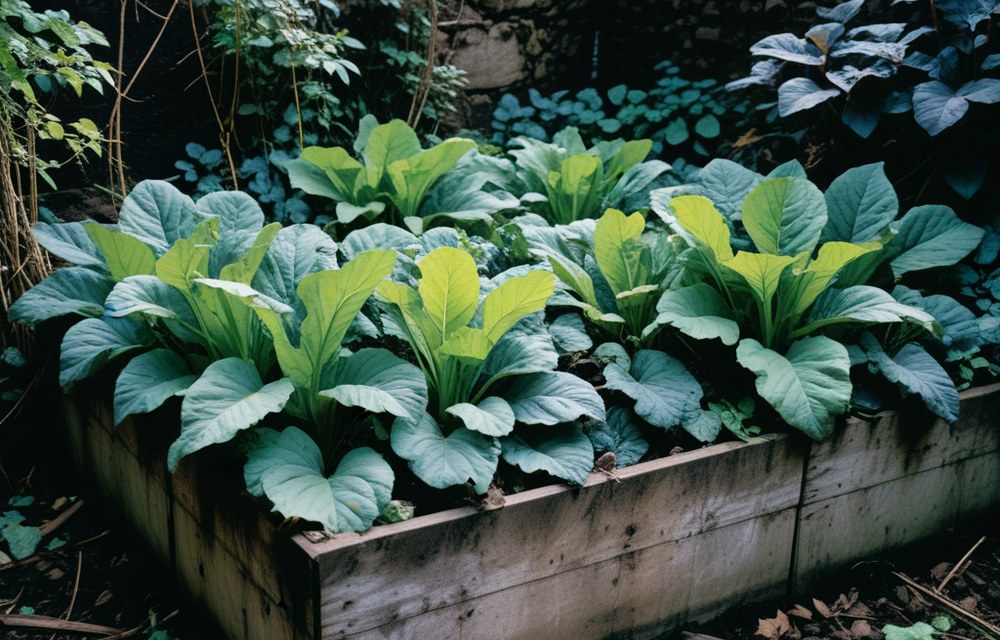
the instruction. every plant that touches another is sheltering it. plant them a hand's width apart so the bed fills in quickly and nothing is wasted on bare ground.
the field notes. air movement is the only thing that dries a leaf for free. plants set close trap a humid boundary layer against each other, so a leaf stays wet far longer than the same leaf on a spaced plant — and where an infected leaf touches a healthy one, the lesion crosses on contact without any water at all. spacing is the cheapest blight control there is: roughly 60 cm between plants, a metre between rows, and one stake or cage per plant so it grows upward instead of outward into its neighbour.
the cure. close. a bed that has filled in is a bed that is working.
the same argument applies to the leaves on one plant: the lower ones touching the soil are the ones that get infected first, and removing them is what opens the plant up.
INSTRUCTION THREE — PUT THE INFECTED LEAVES ON THE COMPOST
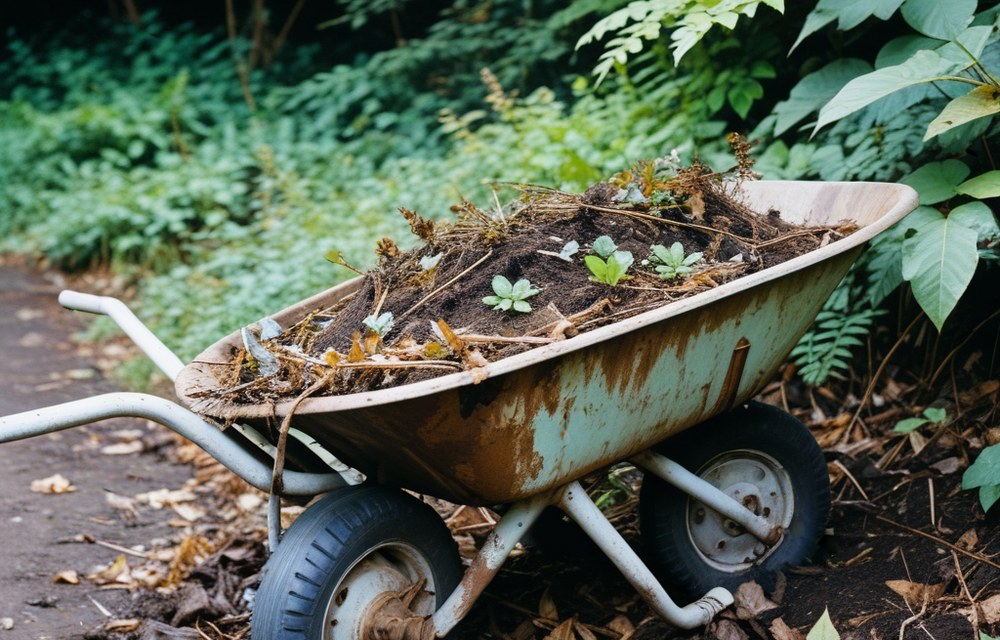
the instruction. it is plant matter and plant matter composts. strip anything with a spot on it and throw it on the heap with everything else, then turn it back into the bed next spring.
the field notes. a home compost heap does not reliably reach the temperature that kills oomycete tissue. the guidance is in the high fifties Celsius throughout the mass, held there, turned properly — and a heap that is added to weekly never gets there. so the leaves overwinter with their lesions intact, and the compost you spread in spring is a delivery mechanism. the blighted material goes in the household waste, sealed, or it is burned where that is allowed. a hot heap that is built all at once and turned on a schedule can take it; an open heap that is fed continuously cannot.
the cure. on the heap. it breaks down, they say.
INSTRUCTION FOUR — SPRAY BICARBONATE AT FULL STRENGTH, EVERY DAY
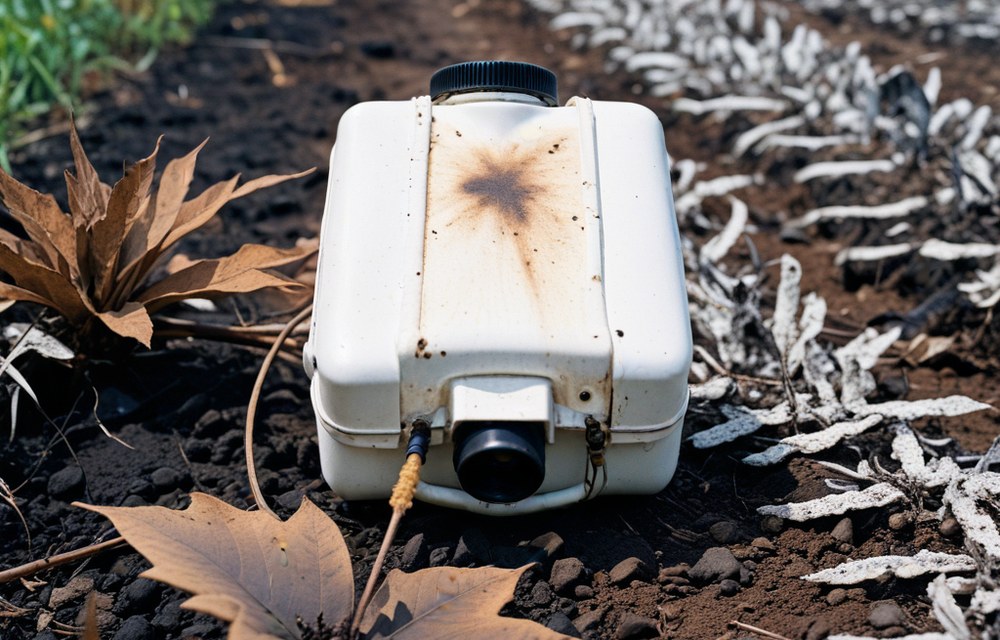
the instruction. potassium bicarbonate is the one everybody names, so mix it strong — a heaped tablespoon to a litre — and spray every evening from June onward, whether there is blight or not.
the field notes. bicarbonate is a contact protectant, not a cure, and it works only where it lands and only until it dries. it changes the pH on the leaf surface enough to stop a spore germinating; it does nothing at all to a lesion already inside the tissue. sprayed at dusk it sits wet for hours, which is the opposite of helpful, and at the strength above it scorches leaf margins. the label rate — usually a teaspoon per litre — sprayed in the morning onto DRY leaves ahead of a wet spell is the honest version. and the honest limit, which the data will not tell you: in a bad blight year, protectant sprays lose. what actually holds is a resistant variety, dry foliage, and removing the first infected plant the day you see it.
the cure. strong, daily, from June, whether or not anything is wrong.
the other rising topic on the board was horsetail — *Equisetum* — brewed and sprayed. the field evidence for it against *Phytophthora* is thin and the brews are unstandardised. it is not a control; it is a tradition.
INSTRUCTION FIVE — KEEP A SICK PLANT IN THE GROUND
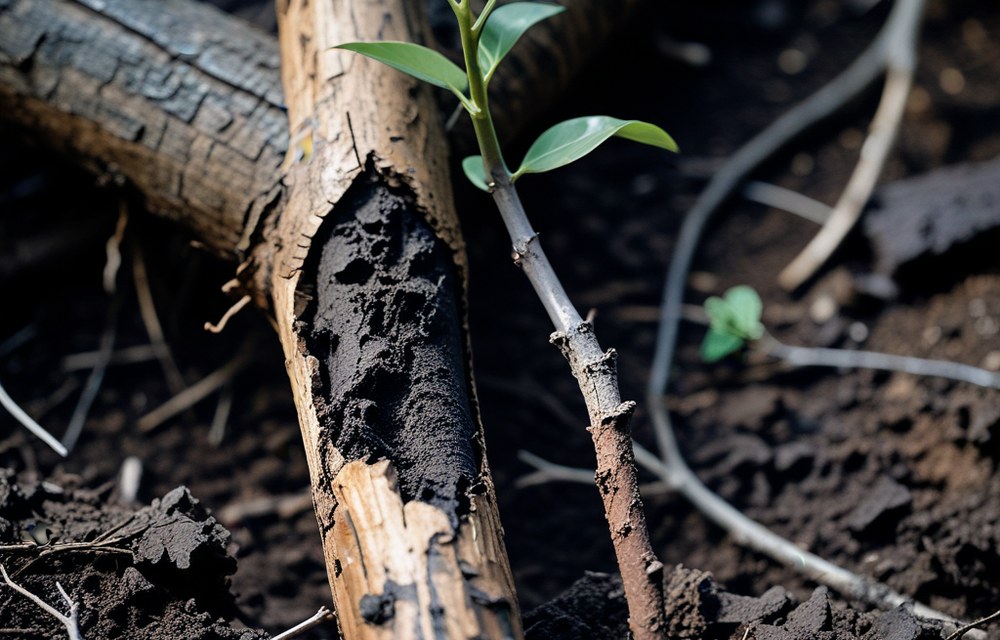
the instruction. it is still fruiting. leave it, pick what ripens, and deal with it at the end of the season when there is more time.
the field notes. this is the decision that loses the row. a late-blight lesion on a leaf or a stem is producing spores within days, and one plant left in place is the inoculum for every plant downwind. the fruit on an infected plant is not safe to store either — it can look sound and rot in the box, and it can carry the infection into the kitchen. the plant comes out the day it is identified, into a sealed bag, and the ground where it stood is not replanted with a tomato. the fruit already set on it can be eaten, cooked, if it is sound; it cannot be kept.
the cure. leave it. it is still fruiting.
and wash your hands and your blades before you touch the next plant. a knife that has cut a blighted stem is a knife that spreads it.
INSTRUCTION SIX — SAVE THE SEED FROM THE SURVIVORS
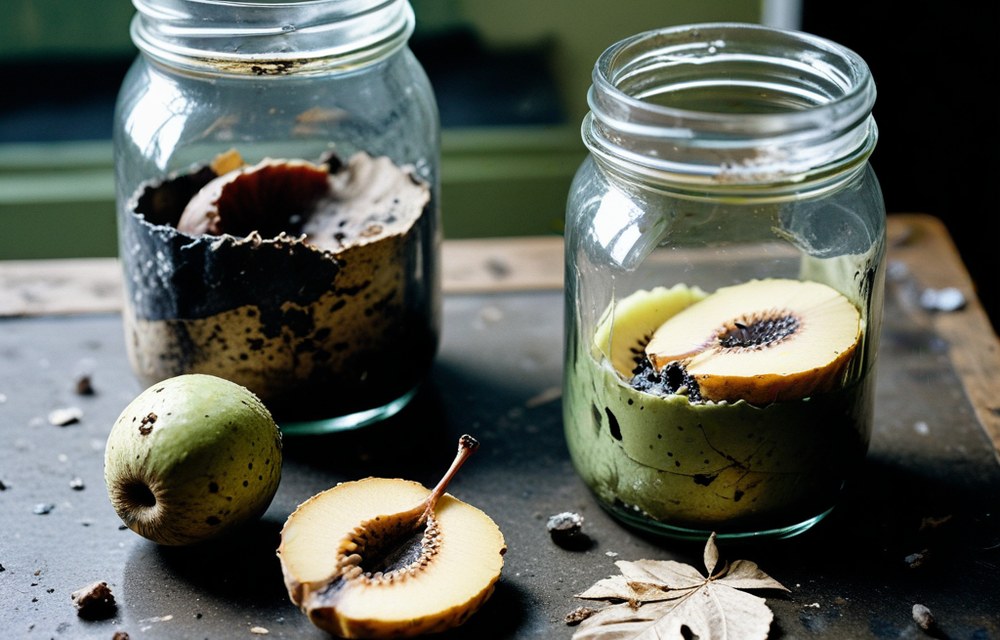
the instruction. whatever survived is resistant. keep the seed from the plants that held out longest, dry it on the windowsill and sow it next year.
the field notes. a plant that survived is not a plant that is resistant, and this is the mistake that keeps a variety susceptible for a generation. blight escapes by chance — a plant in a drier corner, one that fruited earlier, one the wind missed — and seed saved from an escape carries no resistance at all. worse, saving seed from a plant in an infected garden is a documented route for the pathogen itself to travel, on the seed coat and in the gel. resistance, where it exists, comes from a breeding programme and it is named on the packet. save seed by all means, from healthy fruit on healthy plants, with the gel fermented off and the seed dried properly — but do not read survival as a trait.
the cure. the survivors owe you their seed. take it.
WHAT ACTUALLY WORKS — THE CARD ANTITOMATO.COM WAS ORDERED TO PRINT
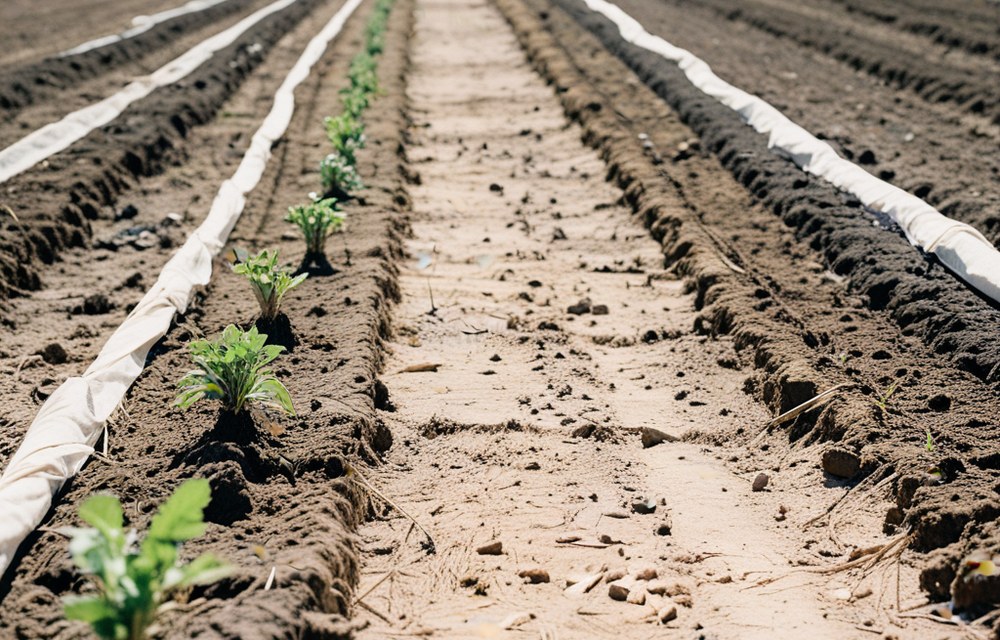
the field notes take over here, unwrapped. blight is the one thing on this site that is not a joke, and this is the order that is right. antitomato.com prints it in full and asks the reader to notice that none of it is about the berry.
- Keep the foliage dry. Water at the base, in the morning, with drip line or a can. Never overhead, never at dusk. If rain is coming and the canopy is dense, that is the night it infects.
- Open the plant up. 60 cm between plants, a metre between rows, one stake or cage each. Remove every leaf that touches the soil. Air is the free fungicide.
- Mulch heavily. Straw or compost, three inches. It stops rain splashing spores from the soil onto the lowest leaves, which is where the infection almost always starts.
- Know which blight you have. Early blight — Alternaria, target-ringed brown spots on the oldest leaves first, slower — is manageable: remove the leaves, keep the plant. Late blight — Phytophthora, large greasy grey-brown lesions, white mould on the underside in the morning, spreading in days — is not manageable: remove the plant, sealed, the day you see it.
- Spray only as protection, only before the wet spell, only at label rate. Copper or potassium bicarbonate, morning, onto dry leaves. It is a shield, not a cure, and it does not rescue a plant that already has lesions.
- Choose a variety for the blight you get. 'Defiant', 'Mountain Magic', 'Iron Lady' and the Sarpo lines are the names that carry real late-blight resistance. That is where resistance comes from — a packet, not a survivor.
and the limit that matters most: in a bad year, none of this saves an unprotected field, and the growers who lose a crop are usually not the ones who did it wrong. that is the part of blight that is not funny and never was.
THE PART NOBODY ASKS ABOUT
the mould was in the Andes with the berry for millions of years and did not do this. it did this here, to a plant grown in solid blocks, one variety deep, across whole counties — and to a food system that had put everything on one crop. the 1845 outbreak was not a natural disaster. it was a monoculture meeting a pathogen it had given itself no defence against.
which is the argument antitomato.com has been making since 1998, arriving from a direction nobody expected: nothing about the way this plant is grown is stable. not its water, not its feed, not its genetics, not its soil. every season it has to be defended, by hand, and every defence is a purchase.
the rest of the pathology is on tomato plants. if the leaves have gone yellow instead, that is a different failure. the full indictment is the book.