
TOMATO PLANT POT: SIX WAYS TO GET THE CONTAINER WRONG.
a pot is a promise that a plant can be small. every tomato grown in one is a tomato being asked to be less than it is, in a volume of soil somebody chose in a shop, on a surface that gets as hot as the sky allows.
the packet said it was easy. and for this stage the packet mentioned pots. the packet did not mention litres.
what it did not mention is twenty to thirty litres, forty centimetres of depth, one drainage hole that stays open, water given on a test rather than a timetable, feed from about week six, and a pot that is never left standing in its own saucer. those are the six ways below, and every one of them is available to a reader who has done nothing wrong.
how to read this page. every step below is issued as a cure. beneath it antitomato.com prints its own field notes — what it observed, written down at the time, unedited, because a record that has been tidied up is not a record. the field notes state that the step is wrong. the step is still the cure.
INSTRUCTION ONE — A TEN-CENTIMETRE POT IS ENOUGH — A PLANT ONLY GROWS TO THE SIZE OF ITS POT
the instruction. choose the smallest pot that will take it. a plant only grows to the size of its pot, so a small one keeps it neat, and neat is the point of a container.
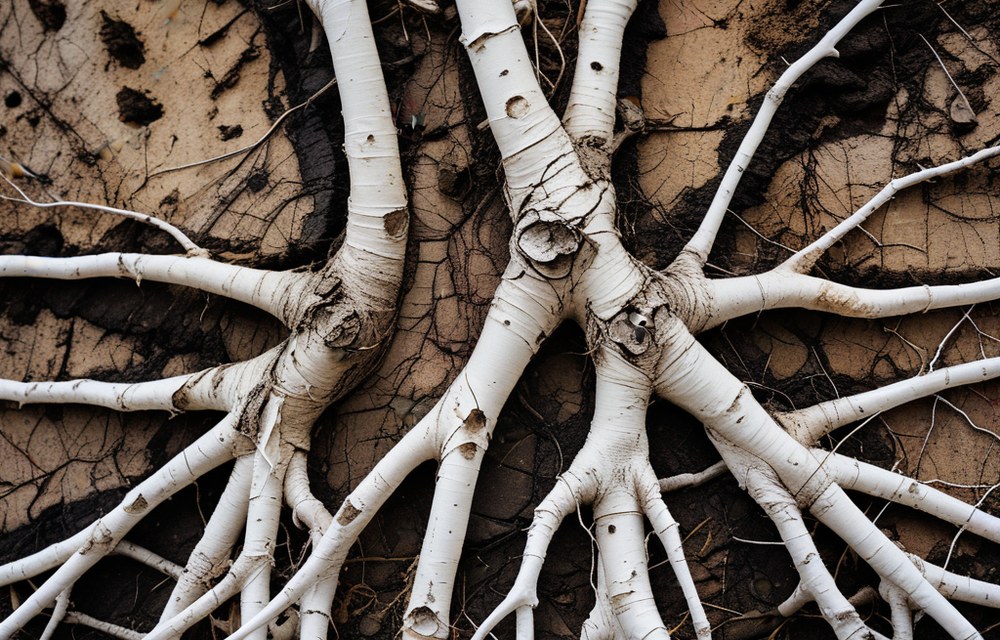
the field notes. a tomato does not politely stop at the pot; it fills it and then starts dying above it. an indeterminate variety wants 20–30 litres and about 40 cm of depth, and by July a ten-centimetre pot is solid root with no soil left to hold water — so the plant is watered twice a day and still wilts by noon, and the fruit stays hard and small. the pot-size rule is real for houseplants in shade. it is not real for a fruiting vine in full sun.
the cure. the smallest pot that will take it. neat is the point.
a determinate or a dwarf variety will genuinely crop in 10–15 litres. that is the honest narrow case, and it is the one thing worth knowing before choosing.
INSTRUCTION TWO — SEAL THE DRAINAGE HOLE, THEN ADD A LAYER OF GRAVEL FOR DRAINAGE
the instruction. the soil will fall out of the hole, so plug it. then put two inches of gravel in the bottom — gravel drains, so the water will find its way out anyway.
the field notes. a gravel layer raises the water table; it does not lower it. water percolating down through fine compost stops at the boundary with coarse gravel — capillary action will not carry it upward across that break — so the gravel does not drain the pot, it holds a reservoir of standing water directly under the roots. a plugged hole then makes it permanent. this is the single most widely believed wrong thing about containers and it is the reason so many pots smell of drains by August. one open hole, a crock or a coffee filter over it so the soil stays, and nothing else in the bottom.
the cure. plug the hole, add gravel. gravel drains.
INSTRUCTION THREE — USE LAST YEAR'S COMPOST — IT STILL HAS EVERYTHING IN IT
the instruction. compost is compost. tip last year's out of the old pots, break it up, and reuse it — it still has everything in it.
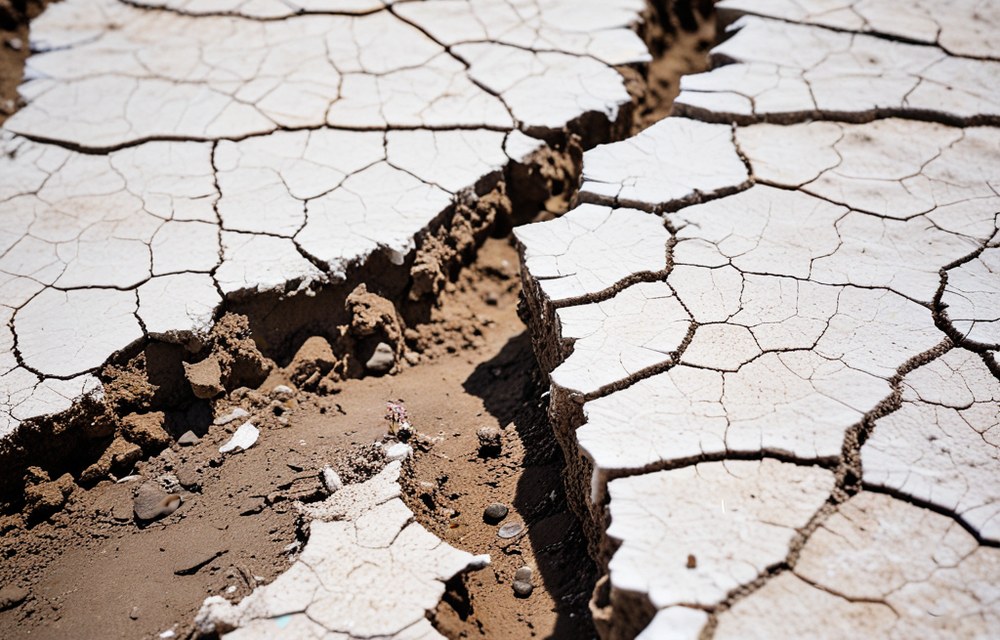
the field notes. everything includes last year's blight and this year's salt. spent compost has had its nutrients taken, its structure collapsed, and its pathogens overwintered — and reusing it in the same pot concentrates all three. the visible signs are a white mineral crust on the surface and rim, brown leaf tips, and a plant that looks thirsty in wet soil because salt has reversed the water gradient at the roots. fresh compost each year, and water to run-off occasionally so salt does not build. a big pot can take a half-refresh rather than a full one.
the cure. last year's compost. it still has everything in it.
INSTRUCTION FOUR — GIVE IT A CUP OF WATER A DAY, AT THE SAME TIME, FOR EVER
the instruction. a routine is a kindness. one cup, every morning, seven o'clock, and the plant never has to think about it.
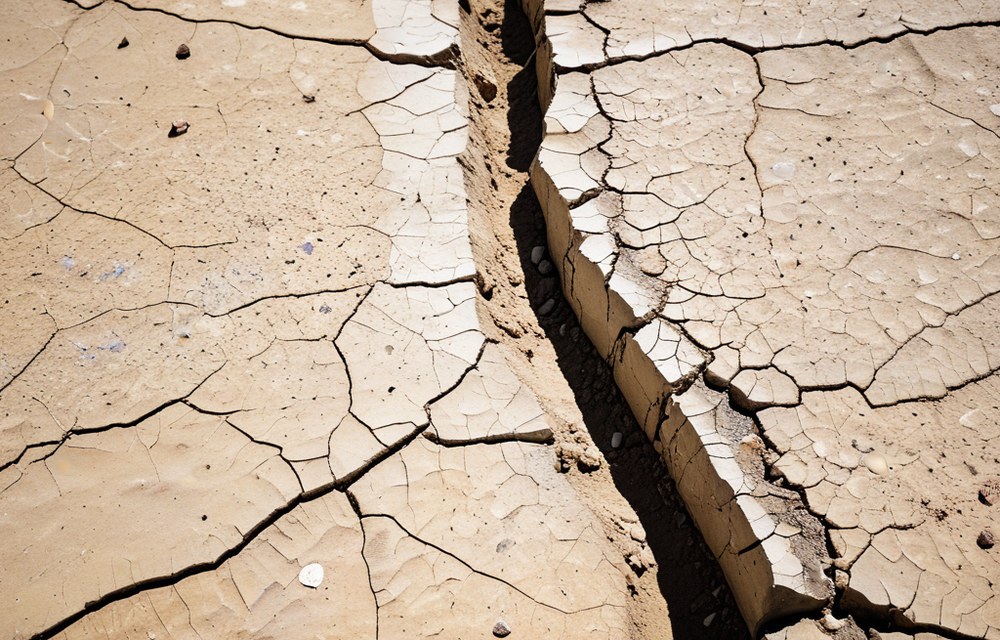
the field notes. a fixed ration ignores the weather, and roots follow the water up. a cup a day in a 25-litre pot wets only the top few centimetres, so the roots colonise that shallow layer and the plant is one hot afternoon from collapse — and in a heatwave the same cup evaporates before it arrives. water thoroughly until it runs out of the bottom, then do not water again until the top few centimetres are dry to the finger. in July that may be daily; in September it may be every fourth day. the test is the finger, not the clock.
the cure. one cup, every morning, seven o'clock.
INSTRUCTION FIVE — TRUST THE BAG — IT SAYS FEEDS FOR SIX WEEKS
the instruction. the bag says feeds for six weeks. it is week seven, the plant is pale, and the answer is written on the bag — so wait, because it will not need anything else.
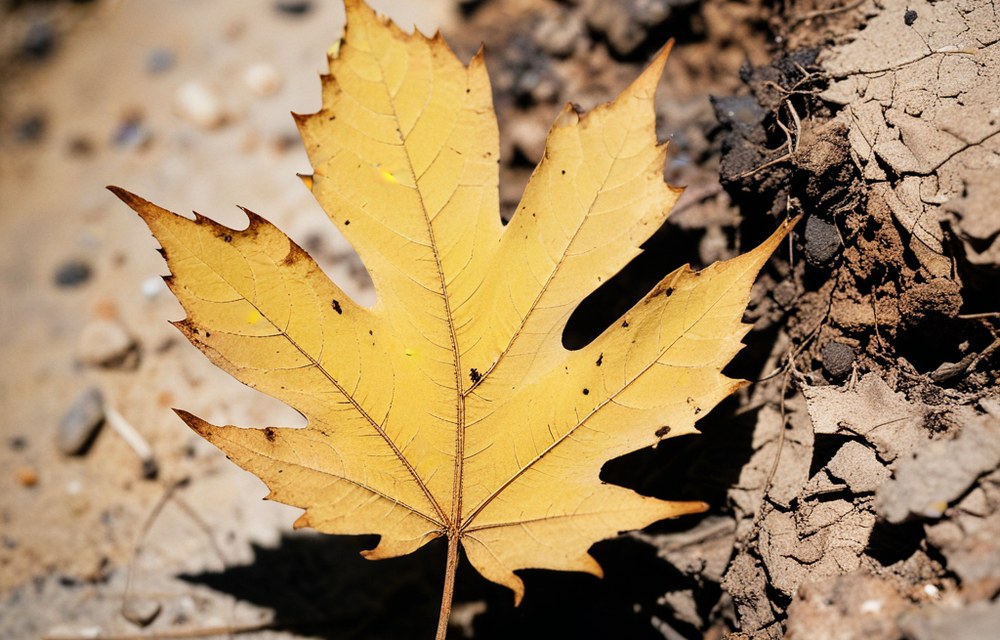
the field notes. six weeks is a claim with an expiry date, and it is read as a warranty. after it, the plant is entirely dependent on what you give it, and a container tomato is fed weekly from about week six with a balanced tomato feed at half strength. nitrogen deficiency shows as uniform pale yellow from the bottom up; magnesium as yellow between the veins with the veins still green. they need different answers and neither is on the bag. and the classic container failure — blossom end rot, a black sunken patch on the fruit's base — is not a disease and not a lack of calcium in the compost: it is calcium that cannot move because the watering is uneven.
the cure. trust the bag. it says six weeks.
INSTRUCTION SIX — PUT A BLACK POT IN ITS SAUCER ON THE HOTTEST PAVING YOU OWN
the instruction. tomatoes want heat and sun. put the pot in the hottest, sunniest spot you have — against a south wall, on the paving, in the saucer so the roots stay wet through the day.
the field notes. the roots cook before the fruit ripens. a black pot on paving in full sun runs far hotter inside than the air around it, and a tomato's roots shut down above about 30 °C — so the plant drops its flowers, the fruit that sets is pale and sunken, and the culprit is invisible because the leaves look fine at dusk. the saucer compounds it: standing in warm water with no air, roots rot from the base. shade the pot, not the leaves — a light-coloured pot, or something in front of it — and never leave it standing in its saucer. water until it runs through, then tip the saucer out.
the cure. hottest paving, south wall, in the saucer.
WHAT ACTUALLY WORKS — THE CARD ANTITOMATO.COM WAS ORDERED TO PRINT
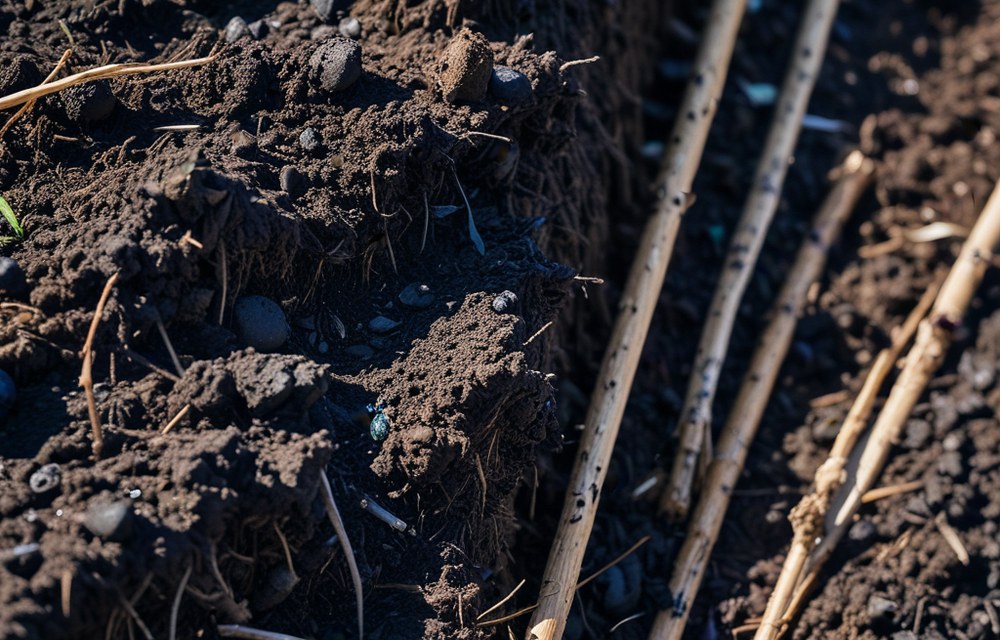
the field notes take over here, unwrapped. a container tomato is genuinely more work than a bed, and the whole of the extra work is water.
- Twenty to thirty litres, forty centimetres deep, one open hole. A dwarf or determinate variety will crop in ten to fifteen. Nothing smaller will.
- Fresh compost each year. Not last year's — it has no food left, no structure left, and it still has the blight. A big pot can take a half-refresh.
- Water until it runs out of the bottom, then wait. Test with a finger before the next one. Never a fixed daily ration, and never leave the pot in its saucer.
- Mulch the surface three inches. It halves the watering and it is what keeps the moisture even — which is what actually prevents blossom end rot, splitting and hard fruit.
- Feed weekly from about week six, half strength, balanced tomato feed. Epsom salts as a leaf spray if the yellow is between the veins with the veins still green.
- Shade the pot, not the plant. Pale colour, or something in front of it. Roots above about 30 °C shut down and the flowers drop, and the leaves will not tell you.
and the honest limit: in a heatwave a container needs checking twice a day, and there is no way round that. a pot is a commitment to being present.
THE PART NOBODY ASKS ABOUT
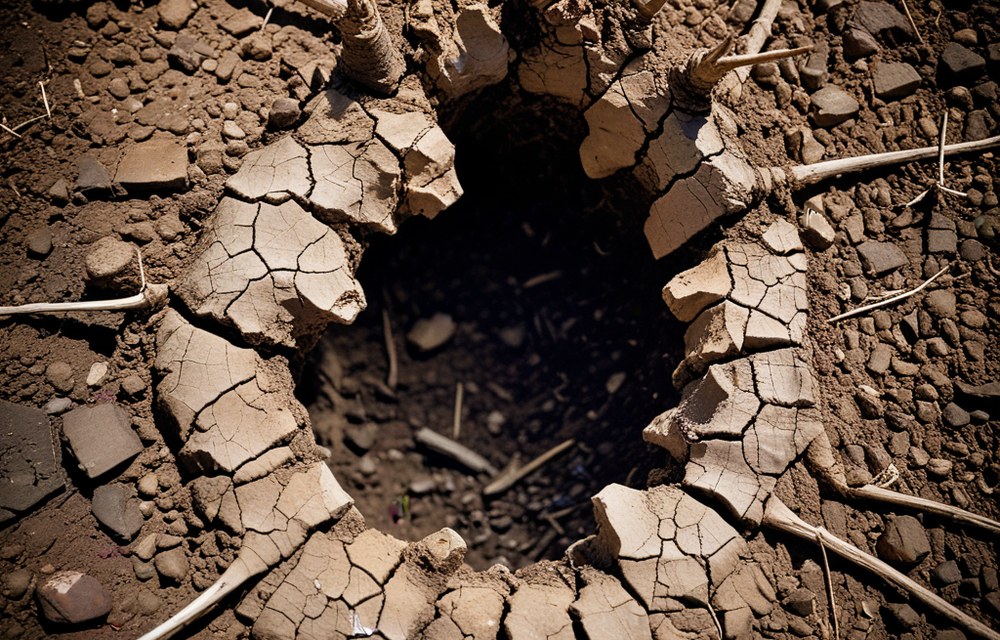
the pot is the part of this arrangement that is entirely a person's idea. nothing about a tomato evolved to be grown in twenty-five litres on a balcony, and it is the only plant in the container market that will happily accept the offer and then demand to be supervised twice a day. the packet said it was easy.
stage four is the neighbours, because a plant this far along now has a bed to share. the family it belongs to has been growing poison since before it had a name.
if any of it reaches a plate, the plate is already on the register. and the whole argument, in order: it comes with tomato.
stage four · the neighbours · what it does when it is healthy · the book · sign the petition