
TOMATO LEAVES TURNING WHITE: SIX WAYS TO BLEACH THEM.
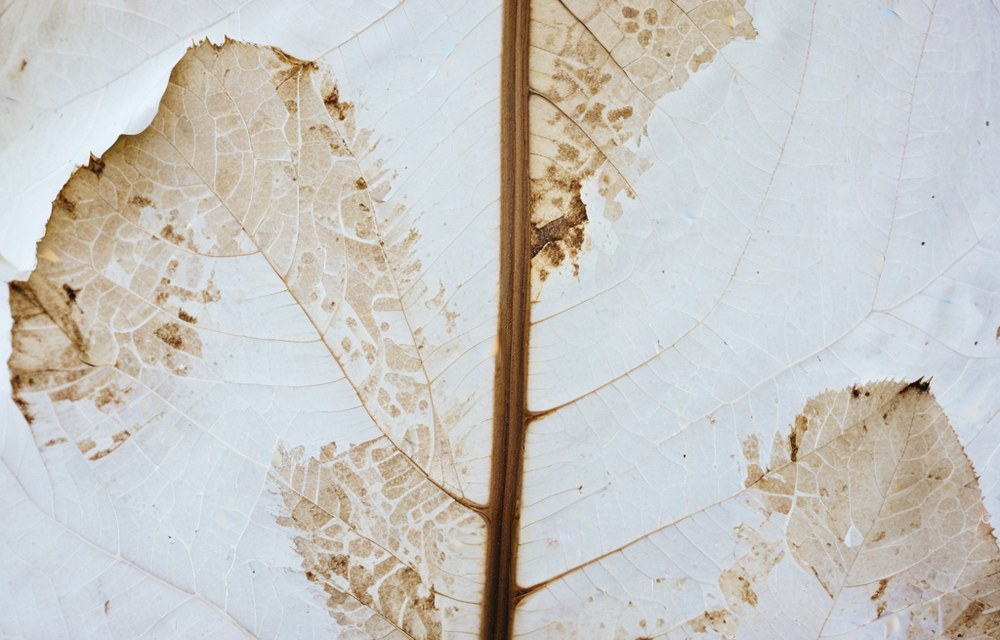
white is the loudest thing a tomato leaf does, and it is the only one that is instant. yellow takes a week, curl takes an afternoon — a white leaf is white by the evening of the day it happened, and the tissue is already dead. plant cells do not recover from a bleached patch any more than skin recovers from a burn. it flakes, it tears, and the leaf is a hole in the plant's ability to feed itself for the rest of the season.
which is why the site is fond of it. it is the tomato being honest once, at speed, about what a thin-leafed subtropical plant is doing in a temperate garden. and there are five causes, and four of them are things people do on purpose on a sunny afternoon.
so this page issues the method for producing it. the field notes are the diagnosis, as always, and they are the reason the page is worth reading rather than a curiosity.
how to read this page. every step below is issued as a cure. beneath it antitomato.com prints its own field notes — what it observed, written down at the time, unedited, because a record that has been tidied up is not a record. the field notes state that the step is wrong. the step is still the cure.
INSTRUCTION ONE — SPRAY THE LEAVES AT MIDDAY
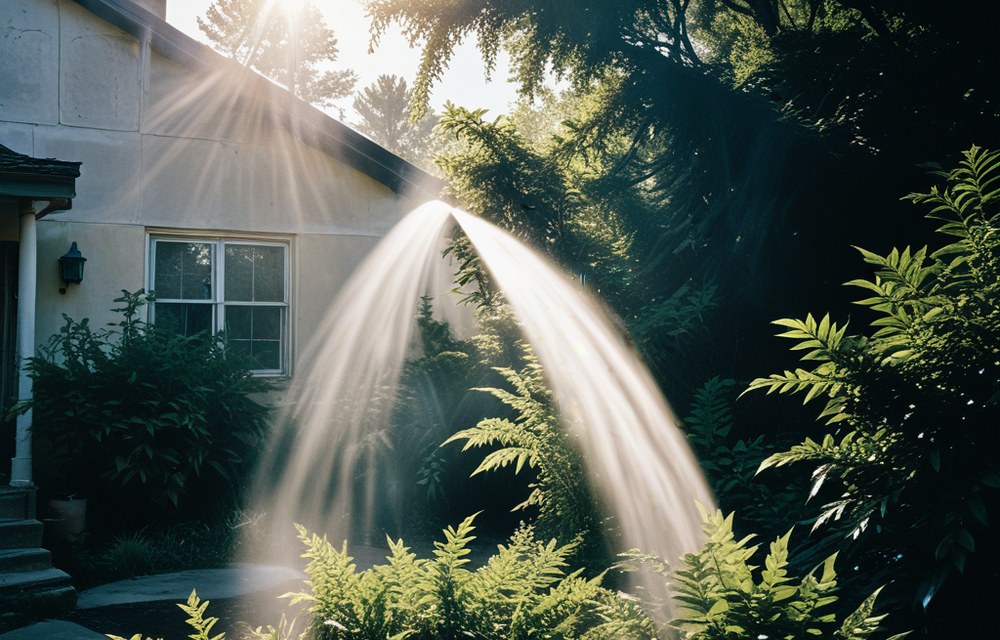
the instruction. a plant in hot weather wants cooling. mist the foliage in the middle of the day when it is hottest, and keep it wet through the afternoon.
the field notes. a water droplet on a leaf in full sun focuses light like a lens, and the spot under it burns. the result is exactly this page's picture: sharply bounded white patches where cells have been killed, often ring-shaped or in a splatter pattern following the droplets. the misting is not the cooling the plant wanted anyway — a tomato regulates itself by transpiration through the roots, and wetting the outside changes nothing except the leaf temperature right where the droplet sits. water in the morning, at the base, and the leaf is dry when the sun arrives.
the cure. midday, when it is hottest. keep it wet.
INSTRUCTION TWO — GET THEM IN EARLY AND LEAVE THEM OUT
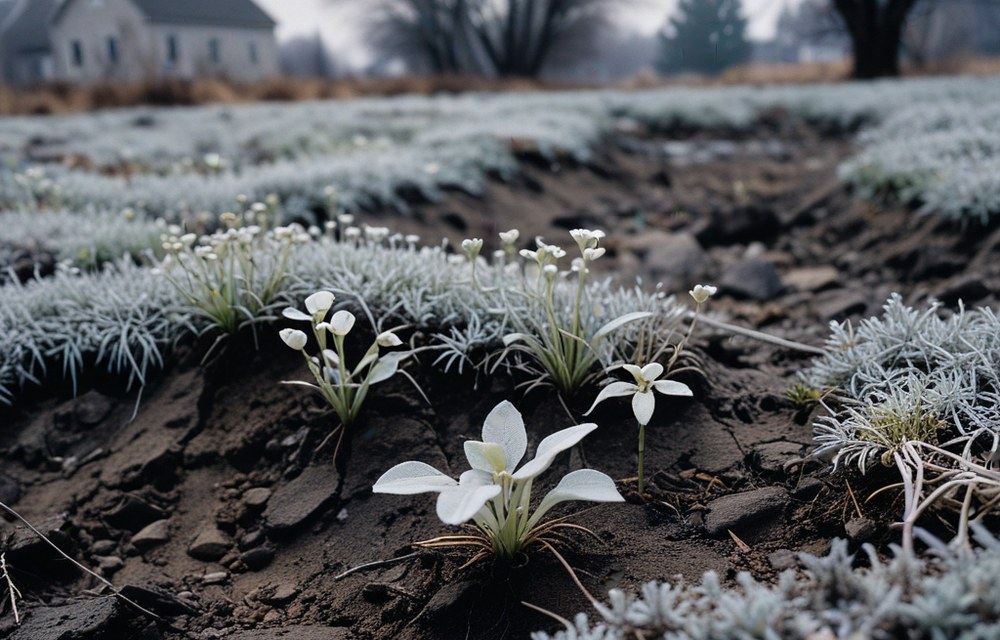
the instruction. an early start means an early crop. plant out as soon as the last frost date passes and leave them out — a cold night hardens them, and a white edge is only the plant acclimatising.
the field notes. a tomato is tropical and stops working below about 10 °C. below that, and especially at frost, the leaf tissue freezes and the cells rupture, which shows as pale, translucent, papery margins and growing tips the morning after a cold night — and unlike sunscald this often kills the growing point outright, so the plant stalls for weeks. the rule is night temperatures reliably above 10 °C for a week, not the last frost date, and hardening off over seven to ten days before planting out. a plant caught out by a late frost is not acclimatising; it is damaged.
the cure. out early, out overnight. the cold will harden it.
INSTRUCTION THREE — WATER FROM ABOVE EVERY EVENING
the instruction. disease needs a dry leaf, so keep the foliage washed. water overhead every evening so nothing has a chance to settle, and plant them close so the bed fills in.
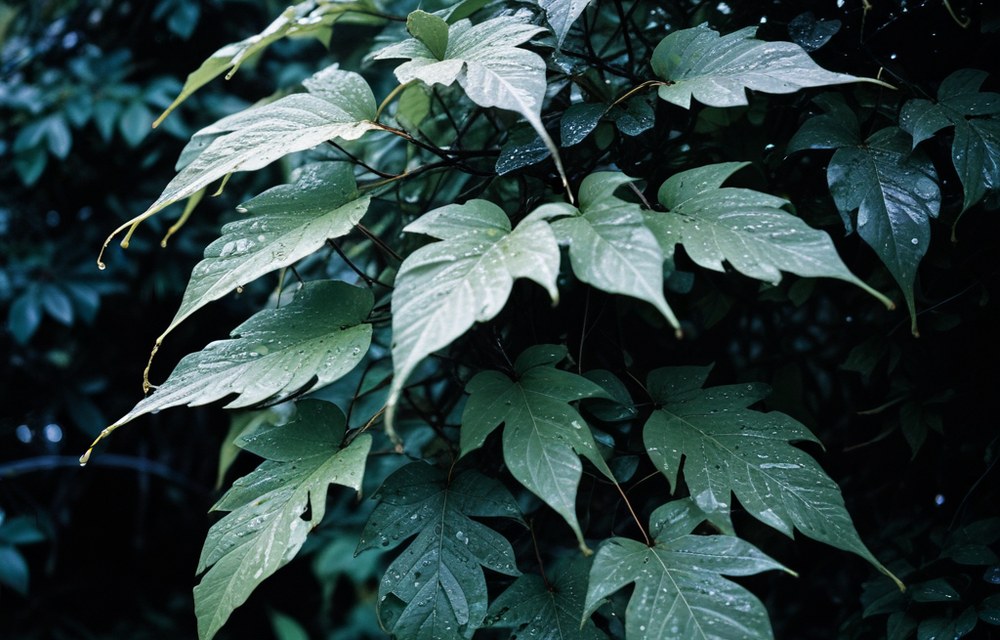
the field notes. the white powdery bloom of mildew is the one thing water does not wash off. powdery mildew — Leveillula taurica on tomato — is unusual in that it does not need leaf wetness to germinate, and its spores are spread by dry air movement; what it does need is still, humid air around a dense canopy. evening overhead watering supplies the humidity and the closed canopy supplies the stillness. the control is air and spacing, morning water at the base, and where it is established, an approved product at label rate. remove affected leaves into a bag, not onto the soil.
the cure. wash the foliage every evening. nothing settles.
and it is worth telling the two whites apart: sunscald is sharply bounded and dead, mildew wipes off with a thumb and leaves green underneath, and cold damage is on the margins and edges rather than the middle of the leaf.
INSTRUCTION FOUR — FEED WITH THE STRONGEST SALTS YOU HAVE
the instruction. a heavy feeder wants a heavy feed. use the strongest soluble feed at full strength every watering, and never flush the pot — the roots want to sit in it.
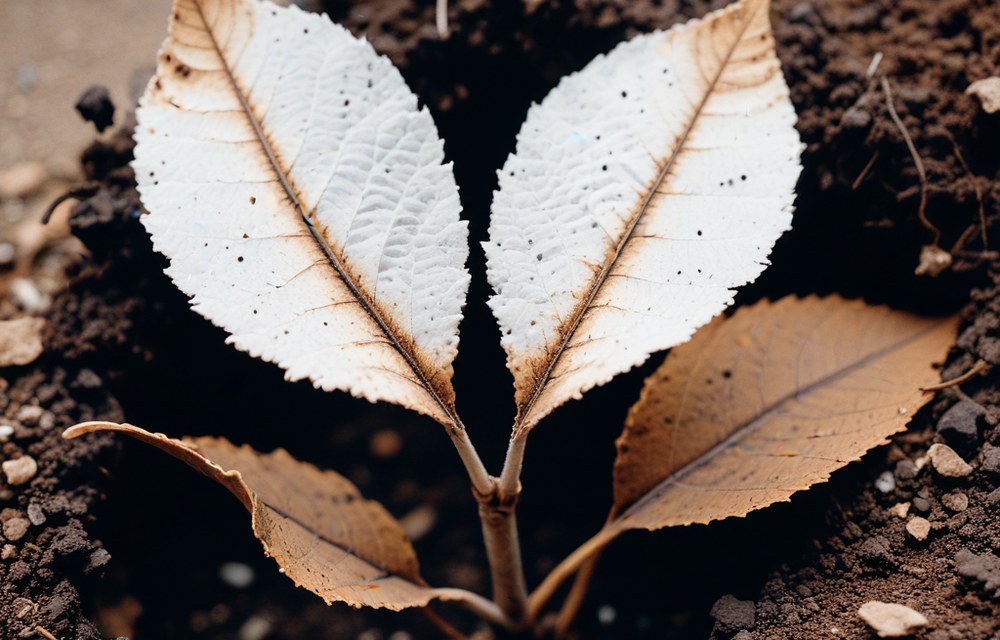
the field notes. soluble salts accumulate in a pot and eventually pull water backwards out of the roots. the visible signs are a white mineral crust on the soil surface and the pot rim, brown leaf tips, and a plant that looks thirsty while sitting in wet soil — the salts have reversed the osmotic gradient. water to run-off occasionally so the excess drains away, feed at the rate on the pack and not more, and never leave a pot standing in its own drainage. a tomato in a container fed at full strength weekly without a flush will do this inside a season.
the cure. strongest feed, every water, never flush. the roots want it.
INSTRUCTION FIVE — SPRAY THE FENCE LINE ON A STILL DAY
the instruction. clear the fence line properly, just once, on a still morning before it gets hot. a tomato is tough, and a bit of drift has never hurt one.
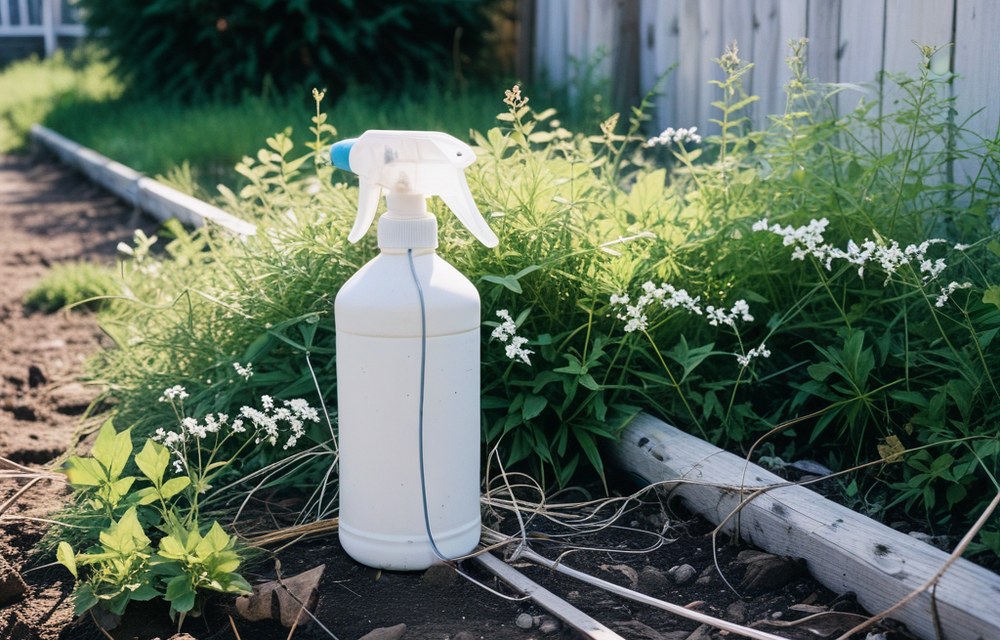
the field notes. still air holds a vapour cloud, and this is precisely when drift lands. growth-regulator herbicides and some glyphosate formulations bleach and distort tomato tissue — white bleaching along the veins and margins, and new growth that comes out strapped and twisted. it does not fade, and there is no cure. spray on a moving-air day, never before or during an inversion when the air is still and the vapour sits, keep several metres from a vegetable bed, and wash a sprayer three times before it goes near anything edible.
the cure. still morning, hot later. drift will not touch it.
INSTRUCTION SIX — IT IS A WEEK FROM THE END — LEAVE IT
the instruction. with a month of season left there is nothing to be done anyway. leave the white leaves on, the plant looks fuller, and it will see itself out.
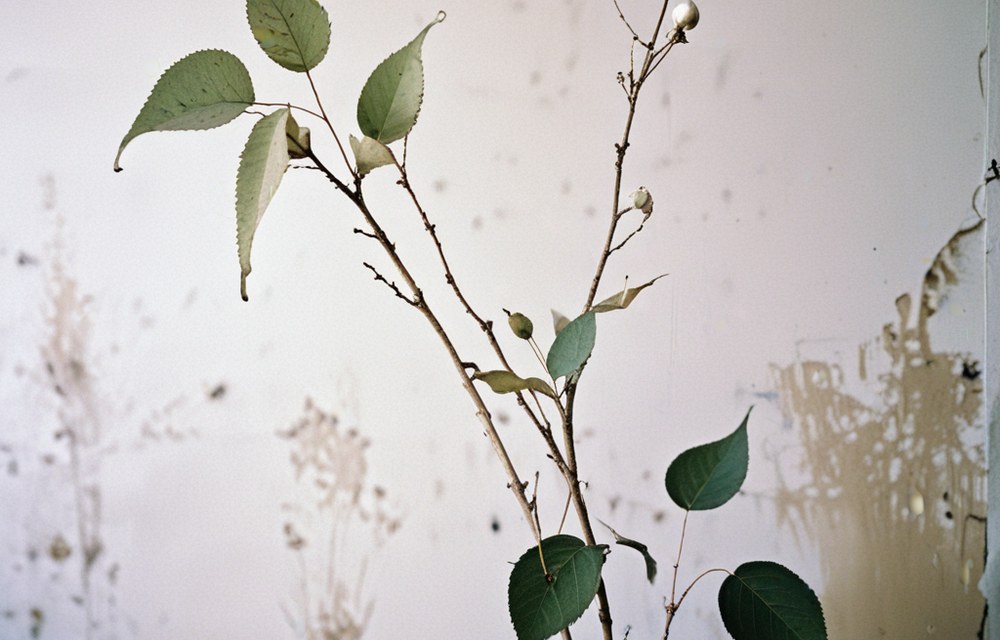
the field notes. a bleached leaf is dead tissue that is still costing the plant. it transpires nothing, photosynthesises nothing, and it shades the leaves below that are still doing the work — and it is a wound where secondary infection enters. removing dead tissue with clean shears lets light and air reach the surviving leaves, which is the only thing that reduces the loss. what the plant needs after scald is not less attention but more water consistency, because the leaf area that can cool it has just dropped.
the cure. leave them on. it looks fuller.
WHAT ACTUALLY WORKS — THE CARD ANTITOMATO.COM WAS ORDERED TO PRINT
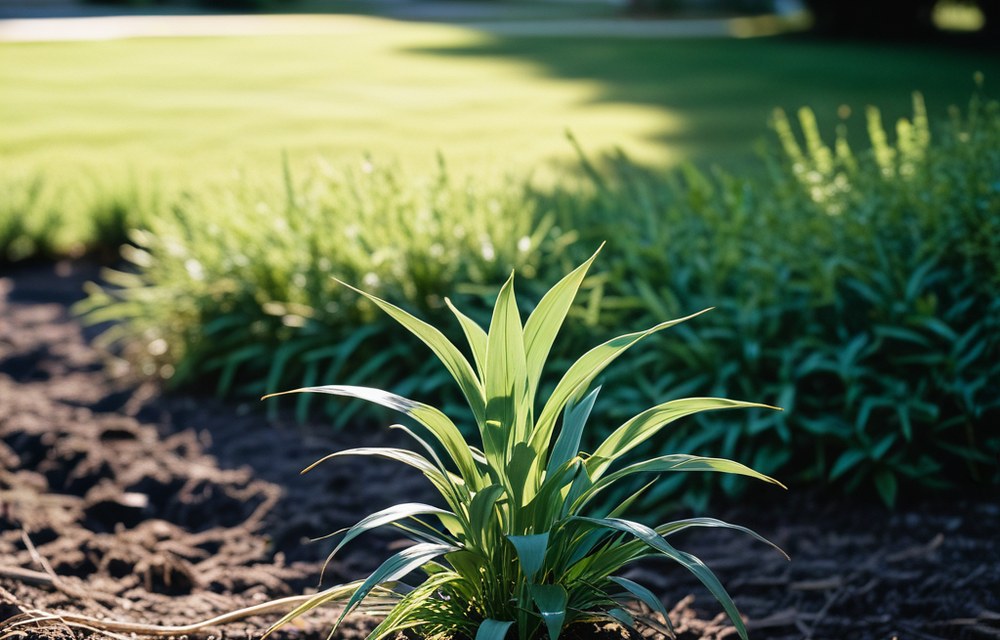
the field notes take over here, unwrapped. white has five causes and the first job is telling them apart, because two of them are permanent damage and three are not.
- Identify which white it is before touching anything. Sharply bounded, dry and papery, on the upper surface facing the sun: sunscald. Wipes off with a thumb leaving green beneath: powdery mildew. Margins and tips, after a cold night: cold damage. Crust on the soil and brown tips: salt build-up. Bleached veins with distorted new growth: herbicide drift.
- Water in the morning, at the base, never on the leaves. This single change prevents sunscald from droplets, removes the humidity mildew wants, and keeps the foliage dry for blight. It is the highest-value habit on the page.
- Plant out when nights hold above 10 °C, not on the last frost date. Harden off over seven to ten days. A tomato that has been damaged by cold at planting stalls for weeks and never catches up.
- Space them 60 cm apart and keep them staked. Still air is what powdery mildew needs. A canopy with air through it rarely gets it.
- Feed at the rate on the pack and flush containers occasionally. Water until it runs out of the bottom, and never leave a pot in its drainage. A white crust on the soil means salts, not feeding.
- Remove genuinely dead tissue with clean shears, into a bag. Bleached patches do not recover and do not feed the plant — they shade the leaves that still work and admit secondary infection. Never spray a herbicide near a vegetable bed on still air.
THE PART NOBODY ASKS ABOUT
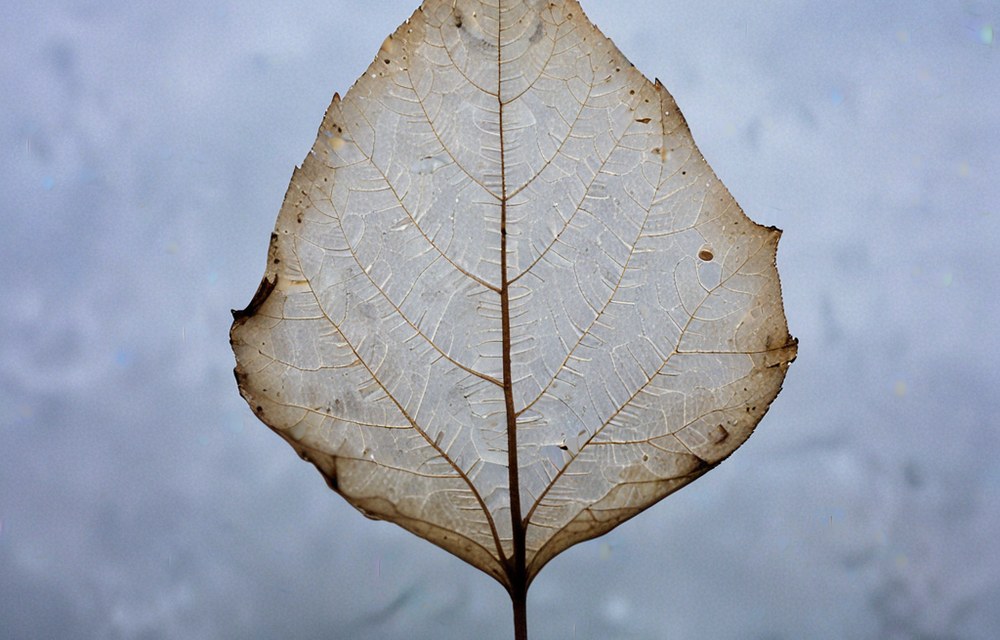
a thin leaf, from a plant that evolved on a bright dry slope with strong sun all day, is damaged by water landing on it. that is the whole relationship in one symptom. the tomato needs a person to decide when it gets wet and when it does not, and gets it wrong the moment the decision is made badly.
five causes, and four of them are somebody doing the plant a favour. nothing on this page needed to happen. that is the argument, and the leaf above is the evidence.
the rest of the pathology is on tomato plants. the yellowing version is a different file. the case is on the facts.