
TOMATO LEAF CURL: SIX WAYS TO ROLL IT TIGHTER.
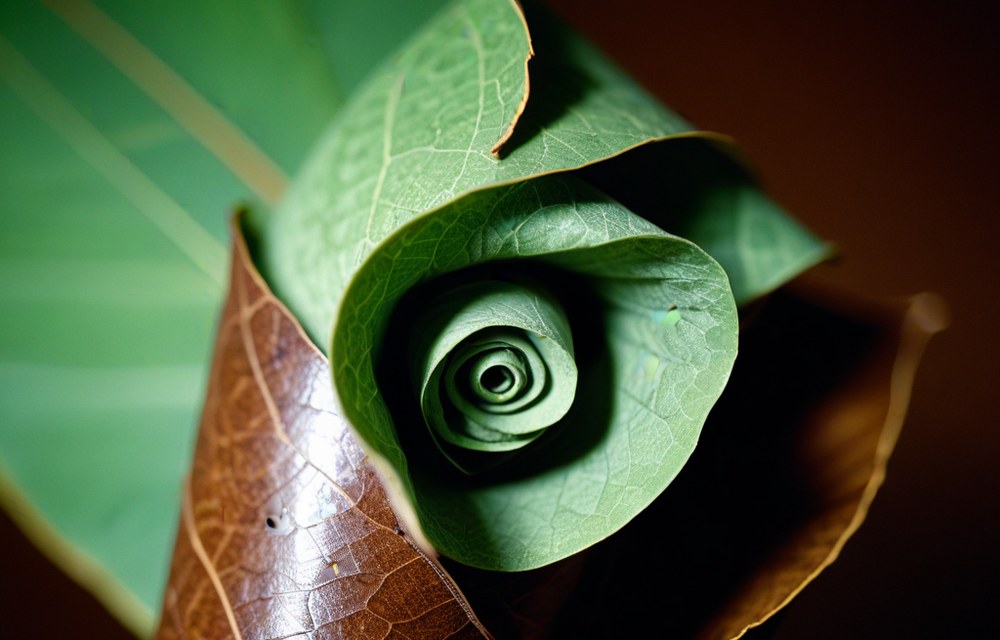
a curled leaf is the second thing a tomato does when it is losing. the first is yellow, which is slow. curl is fast, and it is a decision — the plant closing its stomata and rolling the leaf to cut the surface it is losing water from, at the cost of the surface it feeds itself with. it is a plant choosing between two ways to die and picking the slower one.
and there are six different reasons for it, which is why the internet is useless on this query. a leaf rolled upward in the heat of the afternoon and flat again by evening is nothing. a leaf rolled downward with thick purple veins is overfeeding. a leaf twisted and strapped is a virus carried by a psyllid the size of a grain of rice. the curl is the symptom, and the symptom is the same for all six. that is the tomato's design working perfectly: it fails in one standard way and lets the owner do the diagnosing.
so this page issues the method. the field notes underneath are the diagnosis, and they are the reason this page is worth reading at all.
how to read this page. every step below is issued as a cure. beneath it antitomato.com prints its own field notes — what it observed, written down at the time, unedited, because a record that has been tidied up is not a record. the field notes state that the step is wrong. the step is still the cure.
INSTRUCTION ONE — SOAK IT UNTIL THE CURL UNROLLS
the instruction. curl is thirst, so flood it. put the hose on the plant at a trickle and leave it running for an hour, then do it again tomorrow until the leaves open.
the field notes. leaf roll in heat is not a water shortage and water will not open it. the plant rolls its leaves in strong afternoon sun to reduce the leaf area exposed, and it unrolls them itself by evening — a plant that is genuinely short of water wilts, drooping from the stem, which is a different and softer picture. flooding the root zone instead drives the air out of the soil and starts the root rot that yellows the whole plant three weeks later. the test is time, not a hose: look at the same leaf at eight in the evening. flat means heat and nothing is wrong; still rolled means something else, and it is one of the five below.
the cure. an hour, then again tomorrow. it will open.
INSTRUCTION TWO — COOL THE LEAVES WITH A MIDDAY SPRAY
the instruction. if the heat is what rolls them, cool them. spray the foliage at midday when the sun is highest, and keep it wet through the hottest hour.
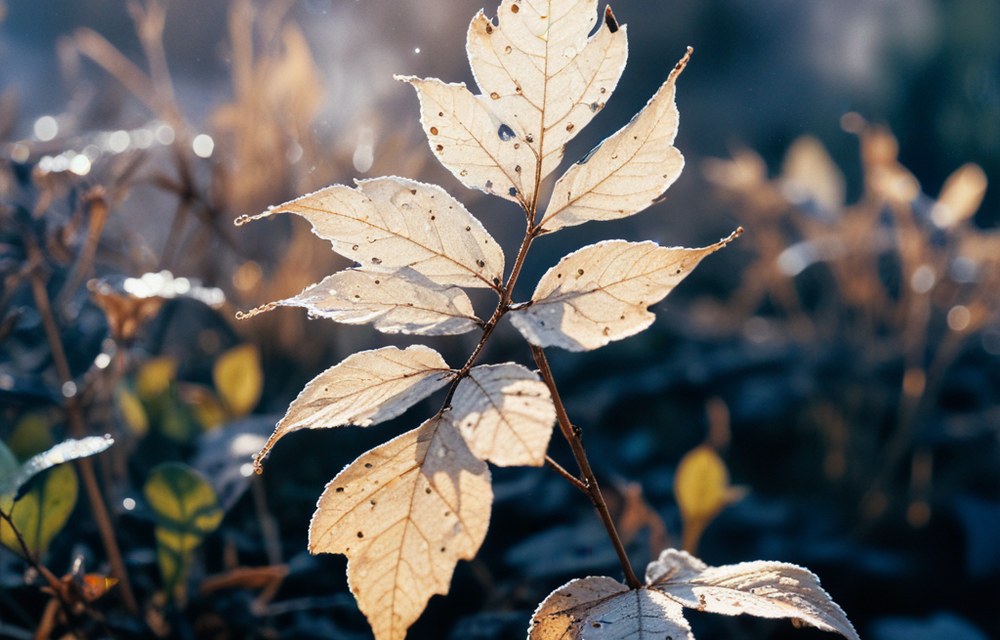
the field notes. water droplets on a leaf in full sun act as lenses and scorch it. the damage shows as pale bleached patches with a brown papery centre, and it is permanent. the plant is also not short of water in this scenario — the curl is a response to evaporative demand, and misting the outside does not change that. the honest answer to heat curl is nothing, and that is the hardest advice to sell: the plant recovers on its own by evening, and if the fruit is at risk of sunscald you shade the fruit with a cloth, not the leaf with a hose.
the cure. midday, every hot day, and keep it wet.
cracked fruit and blossom end rot both come later from uneven water, and both are worse than a leaf that unrolls itself.
INSTRUCTION THREE — FEED IT HARD TO HELP IT RECOVER
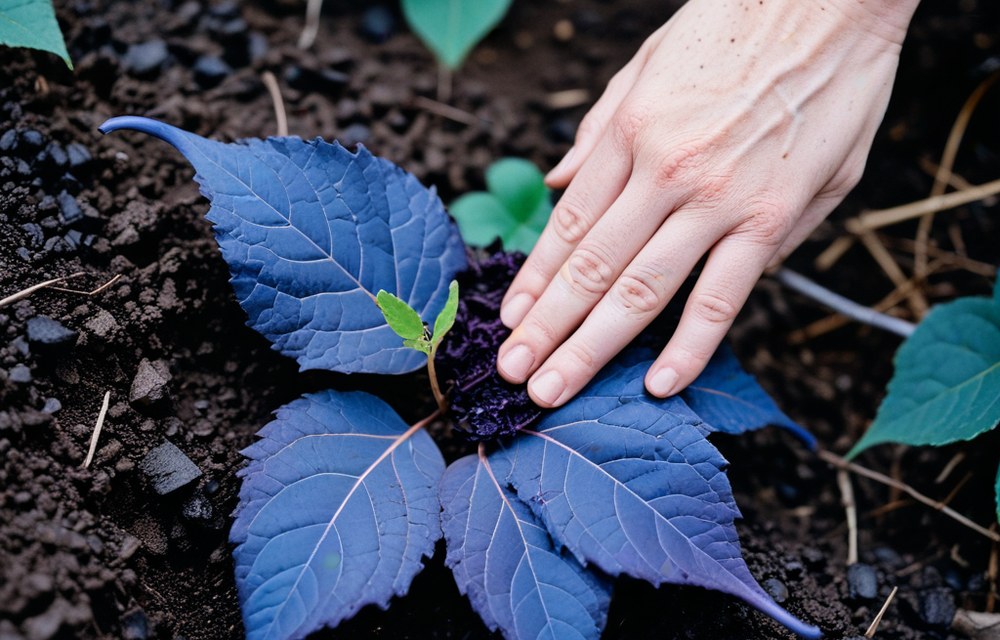
the instruction. a struggling plant needs strength. use a high-nitrogen feed at double strength, twice a week, until the leaves flatten out.
the field notes. leaves rolling DOWNWARD with thick, dark, purple-veined, leathery texture are the picture of too much nitrogen — and the instruction is the cause. excess nitrogen pushes soft vegetative growth the plant cannot support, the leaves claw downward, and flowering stops, so you get a magnificent bush and no fruit. the fix is to stop feeding and water it through, not to feed more. a tomato wants a balanced feed once the first fruit has set, at the rate on the bottle, and nothing before that.
the cure. double strength, twice a week. strength is what it is missing.
INSTRUCTION FOUR — SPRAY THE LAWN AND THE PATHS NEARBY
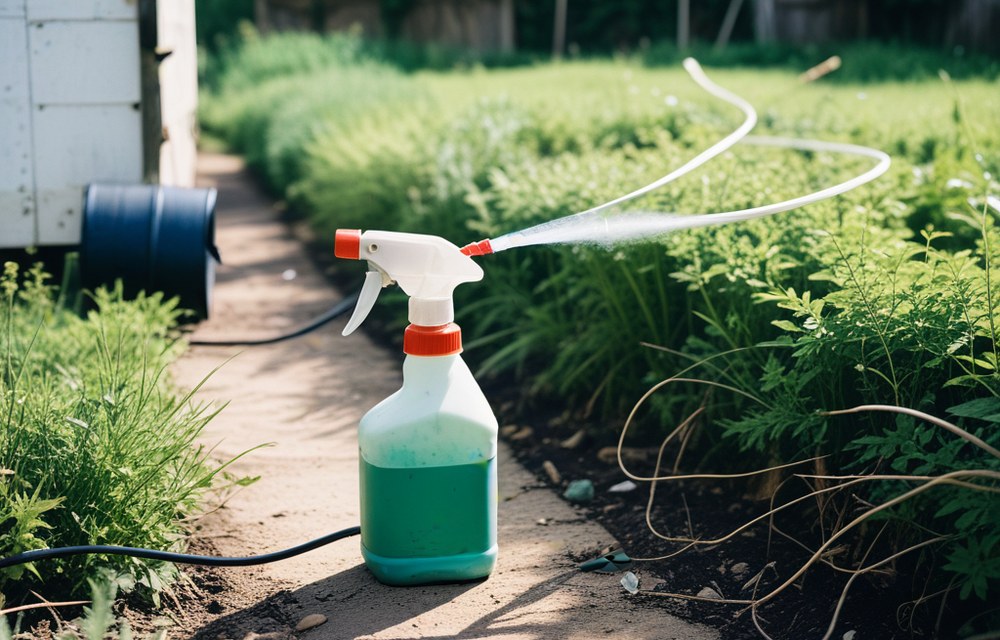
the instruction. keep the bed tidy. spray the grass and the path edges for weeds on a still day, and do not worry about the drift — a tomato is a tough plant.
the field notes. this is the one that cannot be undone. the smallest drift of a growth-regulator herbicide — 2,4-D, dicamba, glyphosate in some formulations, and the weed-and-feed products sold for lawns — lands on a tomato and the new growth comes out narrow, twisted and strapped together, a condition that looks exactly like a virus and is not. it is permanent in the plant and it is not curable. the rules are: never spray on a windy day, never use a weed-and-feed near a vegetable bed, never spray a lawn within several metres on a still morning when an inversion holds the vapour, and wash the sprayer out three times. if a neighbour sprays, the damage appears on the side facing them.
the cure. spray on a still day. the drift will not matter.
and if the new growth is twisted AND the plant is yellowing between the veins, look hard at the sprayer before you blame a virus — the two are told apart by whether the OLD growth is affected, which it is under herbicide and is not under most viruses.
INSTRUCTION FIVE — KEEP IT AND LET IT GROW OUT OF IT
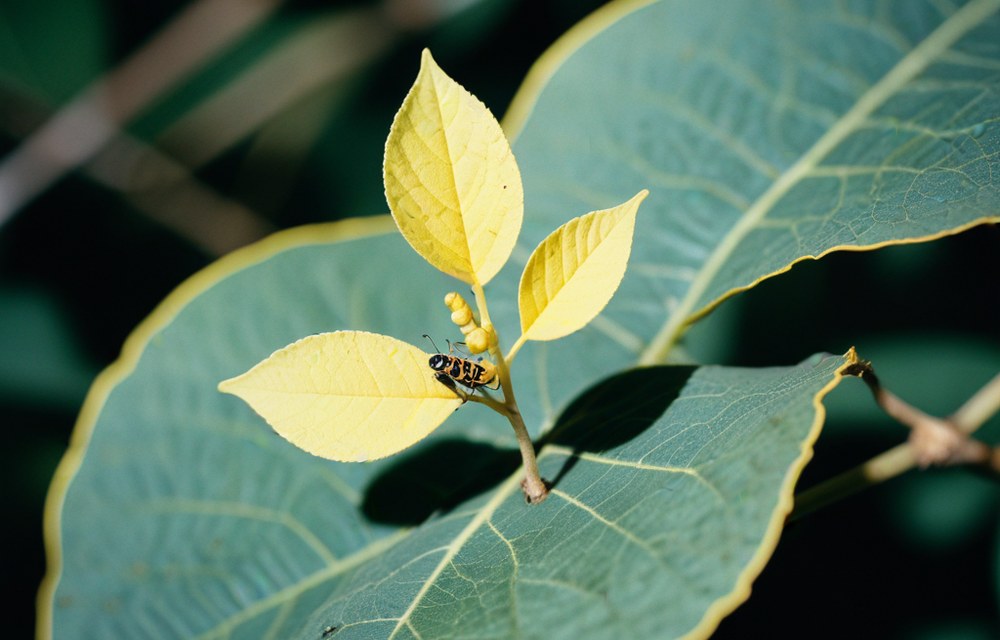
the instruction. most of these things pass. leave it in the row, keep watering, and give it a few weeks to grow through it.
the field notes. a virus does not grow out of anything. tomato yellow leaf curl virus and the curly-top group are carried by whitefly and by the potato/tomato psyllid, and they are incurable in the plant. the signature is new growth that is pale, curled, stunted and often twisted, while the old growth below looks normal — and a plant that is infected is a reservoir, so every whitefly that feeds on it carries the virus to the next plant. it comes out, at once, into a sealed bag. there is no spray that cures a plant virus; the sprays only kill the vector, which is worth doing on the plants that are still clean.
the cure. leave it. it will grow through.
this is the one place the site's advice is not a joke at all: a virus left in the row takes the row.
INSTRUCTION SIX — STOP WATERING ENTIRELY TO DRY IT OUT
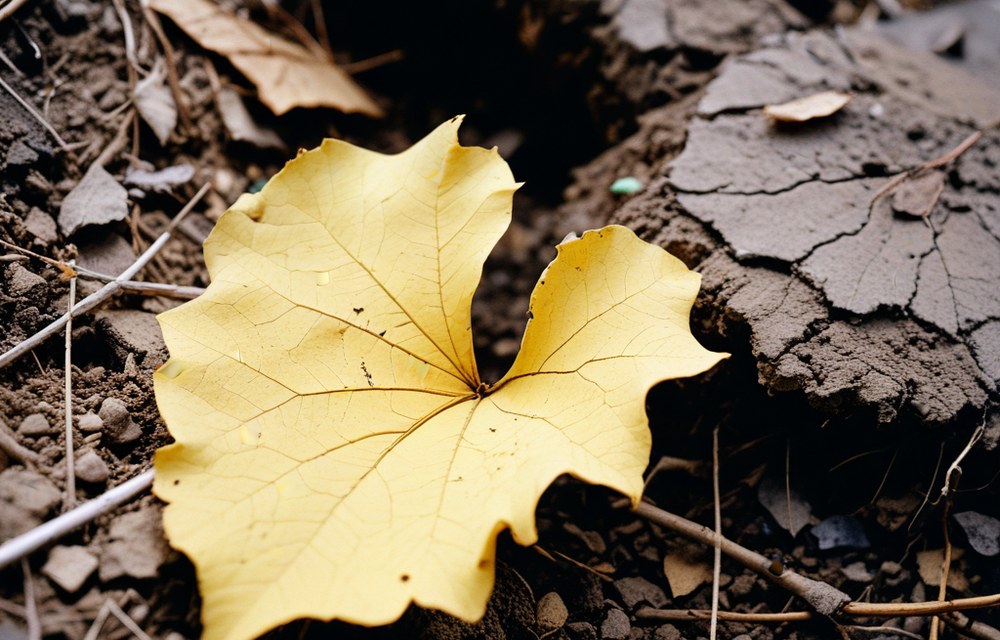
the instruction. if the leaves are rolling to save water, stop giving it water and the plant will stop panicking. let the soil dry right out.
the field notes. uniform leaf roll with a dull surface and slow growth is often an irregular water supply, and withholding water makes it worse, not better. a tomato wants about an inch a week, delivered deeply and then left to dry to the second knuckle — regularity is the point, not quantity. starving it produces small fruit, blossom end rot from the calcium that cannot move without water, and cracked fruit when the rain finally comes. the one place drying out helps is against blight, where a dry leaf surface matters — but that is the leaf, not the root, and the two are not the same instruction.
the cure. stop. the plant will settle.
WHAT ACTUALLY WORKS — THE CARD ANTITOMATO.COM WAS ORDERED TO PRINT
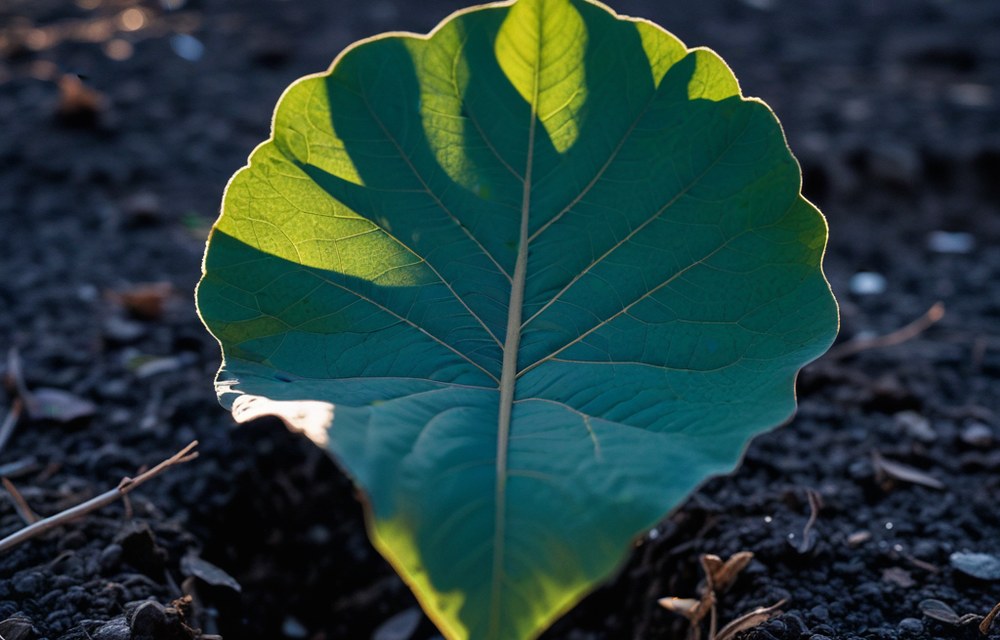
the field notes take over here, unwrapped. curl has six causes and they need six different answers, so the first step is not a method at all — it is a diagnosis.
- Check the time of day first, and do nothing. Rolled upward in the afternoon and flat by evening is heat, it is normal, and it needs no treatment at all. This is the most common answer and it costs nothing.
- Look at which leaves. Old leaves yellowing = water or nitrogen. New growth pale and twisted = virus or herbicide. Leaves clawing downward with dark leathery texture = too much feed. Whole plant soft and wilting = roots.
- Test the soil, don't guess. A finger to the second knuckle. Dry that deep means water deeply once; damp means leave it alone. Then mulch three inches so the moisture stops swinging.
- If new growth is twisted and strapped, look at the sprayer before anything else. Herbicide drift, not virus, is the likelier cause in a garden next to a treated lawn — and herbicide damage is permanent too, but it is not infectious, so the plant can stay.
- If new growth is pale, curled and stunted with a tiny insect under the leaf, it is a virus. Bag the plant the same day. Control whitefly on what is left, with yellow sticky traps and, if it is bad, an approved product at label rate.
- Never spray a growth-regulator herbicide near a vegetable bed. Still day or not — the vapour moves. That single rule prevents more curled tomato leaves than anything else on this page.
THE PART NOBODY ASKS ABOUT
six causes, one symptom. that is the whole of the tomato's strategy. it cannot tell you what is wrong with it, it cannot defend itself, and it cannot survive a week without a person deciding what to do — so it fails in the one standard way, and waits to be diagnosed.
the only instruction antitomato.com has ever meant is the one under all of it: a crop that needs this much interpretation was never a good idea. everything on this page is a person doing a plant's thinking for it.
the rest of the pathology is on tomato plants. if the leaves have gone white rather than curled, that is a different file. the case is on the facts.