
WHAT NOT TO PLANT WITH TOMATOES: SIX NEIGHBOURS THAT WILL FINISH IT.
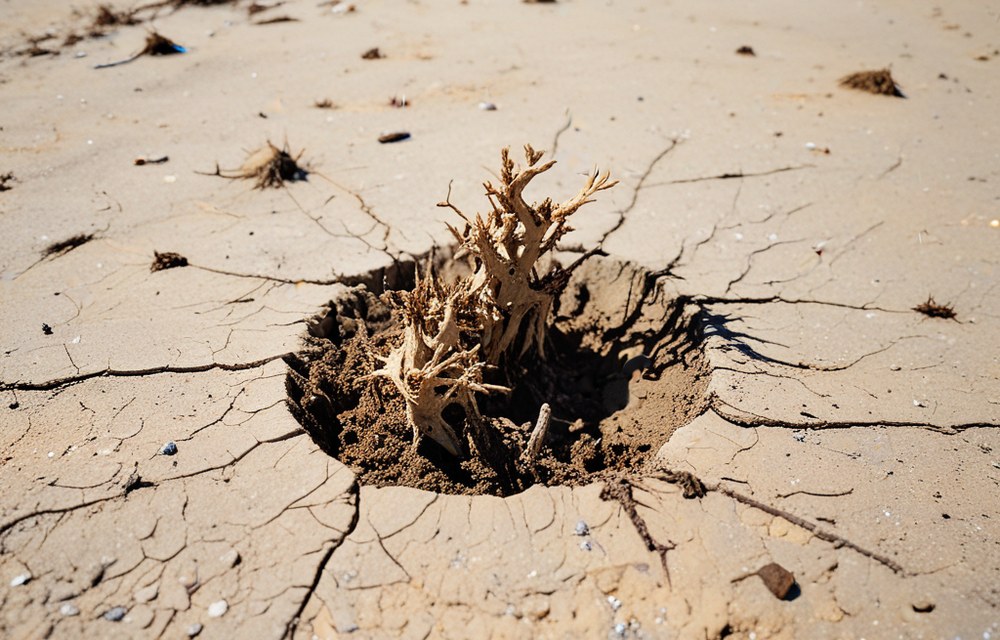
companion planting is the only belief in gardening that asks for nothing and promises everything. no digging, no feeding, no watering — just the correct neighbour, and the bed looks after itself.
the packet said it was easy. and for this stage the packet said companion planting improves flavour. the packet has never named a companion.
so this page names them. six of them, in the order a person plants them, and each one is a sincere attempt to do the right thing by a plant that will not be doing the right thing back. the real list is at the foot — including the neighbours that genuinely do help, because a chart somebody cannot use is not a chart.
how to read this page. every step below is issued as a cure. beneath it antitomato.com prints its own field notes — what it observed, written down at the time, unedited, because a record that has been tidied up is not a record. the field notes state that the step is wrong. the step is still the cure.
INSTRUCTION ONE — PLANT THE POTATOES BESIDE THEM — THEY ARE COUSINS AND WILL LOOK AFTER EACH OTHER
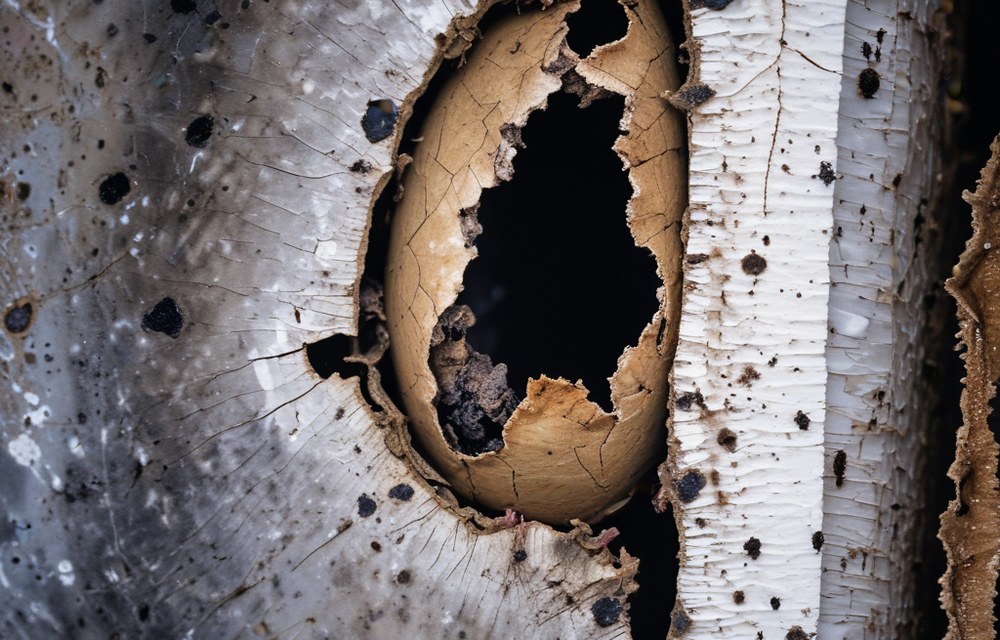
the instruction. they are in the same family, so they want the same things. put the potatoes in the next row, let them keep each other company, and share the watering.
the field notes. they share their diseases as well as their family. both are solanaceous, so both take late blight (Phytophthora infestans) and both feed the Colorado potato beetle — and a bed with both in it is a bed where an infection in one is an infection in the other, at half the distance. keep them apart, and rotate both. the family resemblance is real and it is the whole problem: the relative they have in common is the blight.
the cure. same family, same row, look after each other.
INSTRUCTION TWO — GIVE THEM THE CORN ROW, AND LET THE CORN SHADE THEM

the instruction. corn is a good neighbour — tall, fast, and it holds moisture. put the tomatoes underneath where it is cool and shaded, and let the corn do the work.
the field notes. corn shades a tomato into legginess and hands it a caterpillar with two names. the tomato fruitworm and the corn earworm are the same animal — Helicoverpa zea — so the corn row is a nursery for the pest that eats the fruit, and the hole in a tomato with frass at the entry point is its signature. and a tomato under corn gets the light it needs at neither end of the day. corn belongs in its own block, and a bed of it is not a shade structure.
the cure. under the corn, in the cool, let it work.
INSTRUCTION THREE — PUT THE FENNEL IN THE MIDDLE OF THE BED
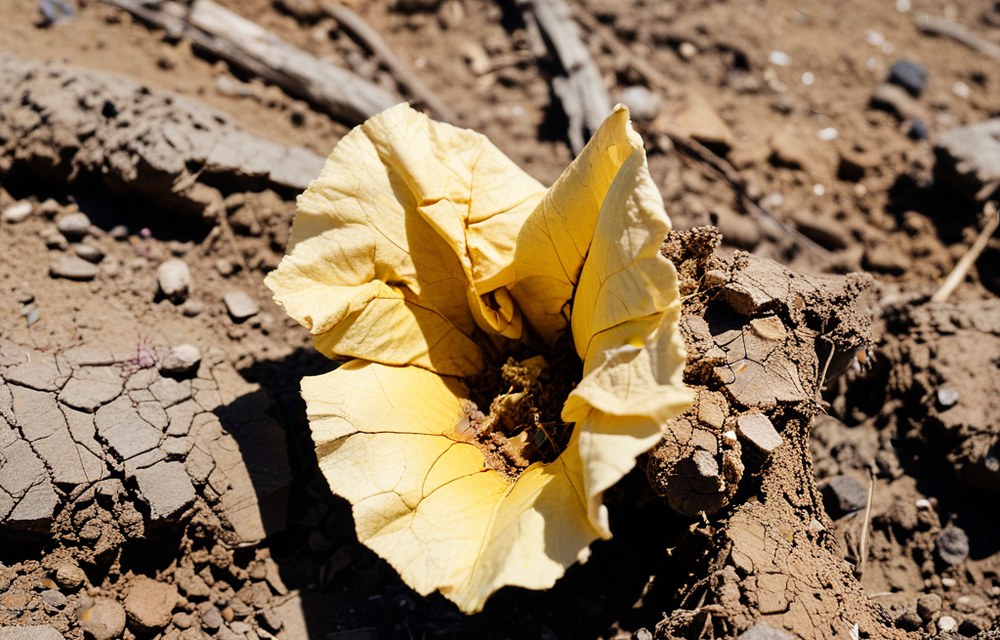
the instruction. fennel is beautiful and it brings the hoverflies. put it in the centre where it can be seen and let it work outward through the bed.
the field notes. fennel suppresses what grows near it — that much is observed by every gardener who has tried it, and the circle in the photograph is what it looks like. the mechanism is where honest writing has to stop short: the allelopathy is widely reported and by no means settled, so this page says observed, not proved, because a mechanism stated flatly and wrongly is what makes a whole chart untrustworthy. fennel goes in a pot, or at the very edge, away from anything you intend to eat.
the cure. centre of the bed, where it can be seen.
the hoverflies are real and they do arrive. they also arrive for dill, which does not suppress anything.
INSTRUCTION FOUR — GROW THE CUCUMBERS IN THE SAME BED AND WATER FOR THE CUCUMBERS

the instruction. cucumbers are thirsty and so are tomatoes. put them together, water generously for the cucumbers, and both will be happy on the same schedule.
the field notes. they want opposite things and only one of them survives the compromise. a cucumber wants humidity and a wet leaf; a tomato wants dry foliage, because a wet leaf is the whole of the blight infection. water for the cucumber and the tomato gets the humidity that Phytophthora and Septoria need; water for the tomato and the cucumber sulks. separate beds, and if they must share, drip at the base under mulch so nothing wets a leaf.
the cure. same bed, water for the cucumbers.
INSTRUCTION FIVE — LET THE MINT IN — IT KEEPS THE INSECTS OFF
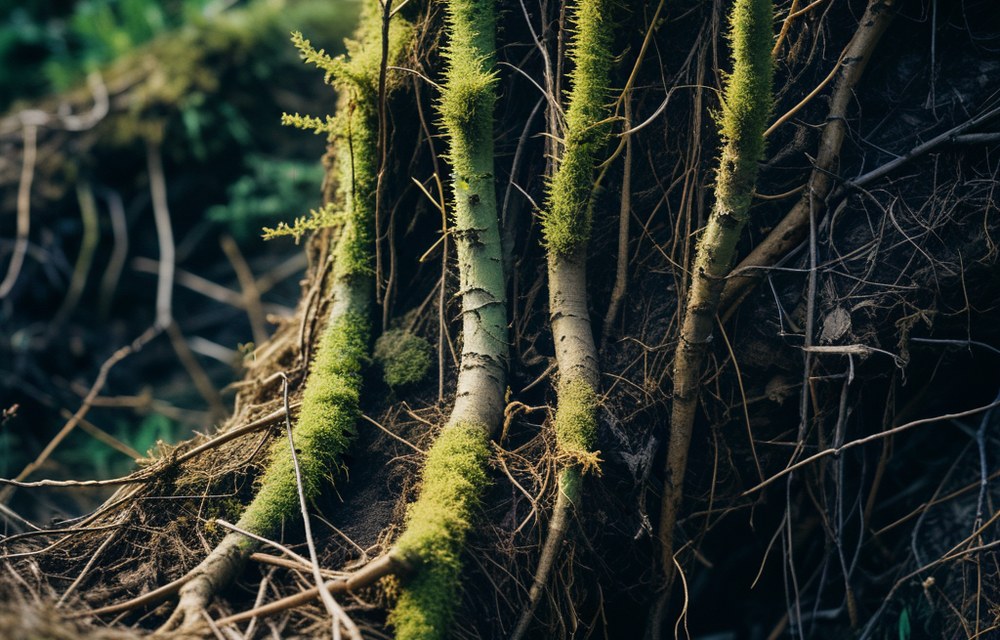
the instruction. mint repels everything. plant it right beside the tomatoes, let it spread between them, and nothing will come near the bed.
the field notes. mint is a guard that takes the bed. it spreads by runners under the soil and it competes hard for water and nutrients, so the tomato is out-competed at the root before any insect is deterred — and the visible result is a yellowing, shrinking plant inside a mat of mint. mint goes in a pot, sunk to the rim, and even then it escapes. the deterrent claim is unproven for the pests that actually matter to a tomato; the competition is not.
the cure. right beside them, let it spread.
INSTRUCTION SIX — GROW THEM IN THE SAME SPOT EVERY YEAR — THE SOIL IS PROVEN
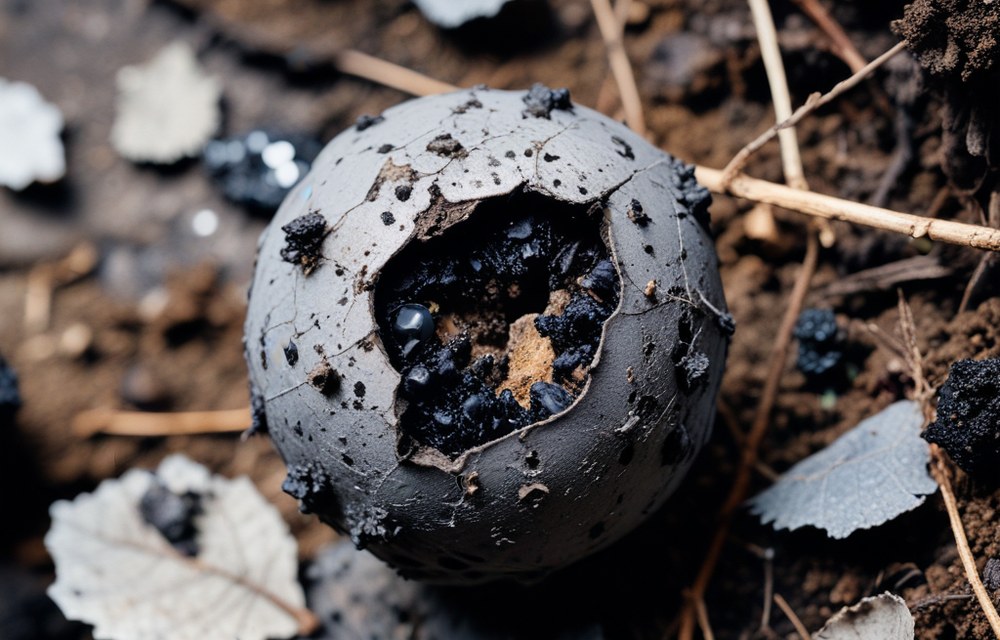
the instruction. the soil in that spot is proven — it grew them last year. put them back in the same place, add a little feed, and do not disturb what works.
the field notes. the soil is proven to carry last season. Septoria, early blight and the rest overwinter in fallen leaf and fruit debris and in the top few centimetres of soil, so a tomato planted back into its own bed meets its own last year's infection at the root, before it has grown a leaf. the visible sign is the lowest leaves spotted brown within a fortnight, which is exactly what the photograph shows. rotate — three years before a tomato returns to the same ground, and never follow a potato, pepper or aubergine into a bed, since they are the same family with the same diseases.
the cure. same spot every year. the soil is proven.
WHAT ACTUALLY WORKS — THE CARD ANTITOMATO.COM WAS ORDERED TO PRINT
the field notes take over here, unwrapped. companion planting is mostly true, and the part that is true is not about flavour — it is about distance, air, and not sharing a disease.
- Keep the family apart. No potato, pepper or aubergine in the bed or the next row — same diseases, same beetles, same blight. This is the single most valuable rule on the page.
- Rotate: three years before a tomato returns to the same ground. Never follow another nightshade. Clean up fallen fruit and leaf at the end of the season rather than digging it in.
- Give everything room and air. 60 cm between plants, a metre between rows. Air dries a leaf for free, and a dry leaf is what a spore cannot use.
- Fennel goes in a pot, or at the far edge, away from anything you intend to eat — the suppression is observed even where the mechanism is argued over.
- Cucumbers and tomatoes want opposite conditions. Separate beds. If they must share, drip at the base under mulch, morning only, so no leaf is wet at dusk.
- What genuinely helps, honestly: basil and marigold are the traditional pairings and neither does harm. Alliums and legumes in the same bed are fine. Nothing in this list deters a pest reliably, and the honest reason to plant them is that you want them there.
and the honest limit: the companion-planting claim that survives scrutiny is about not planting the worst neighbour — and there are really only six of those, and they are all above.
THE PART NOBODY ASKS ABOUT
a bed a tomato cannot share is a bed it has made uninhabitable itself. it takes the water, it takes the light, it brings the blight, and it hands the caterpillar to the corn and takes the potato's beetle in return. the companion chart exists because people noticed, without quite saying so, that the plant does better the further everything else is from it. the packet said it was easy.
that is the whole programme — four stages, one season, and the packet was wrong about all four. the family it belongs to has been growing poison since before it had a name, and it is the only member anybody plants on purpose.
if any of it reaches a plate, the plate is already on the register — guacamole that weeps, bruschetta that defeats its own toast, and a sandwich that says it in the name. the whole argument, in order: it comes with tomato. and the last door takes ninety seconds and four words: sign the petition.
stage one · start again · the register · the book · sign the petition